IBS gut foods to avoid and gentle alternatives for relief
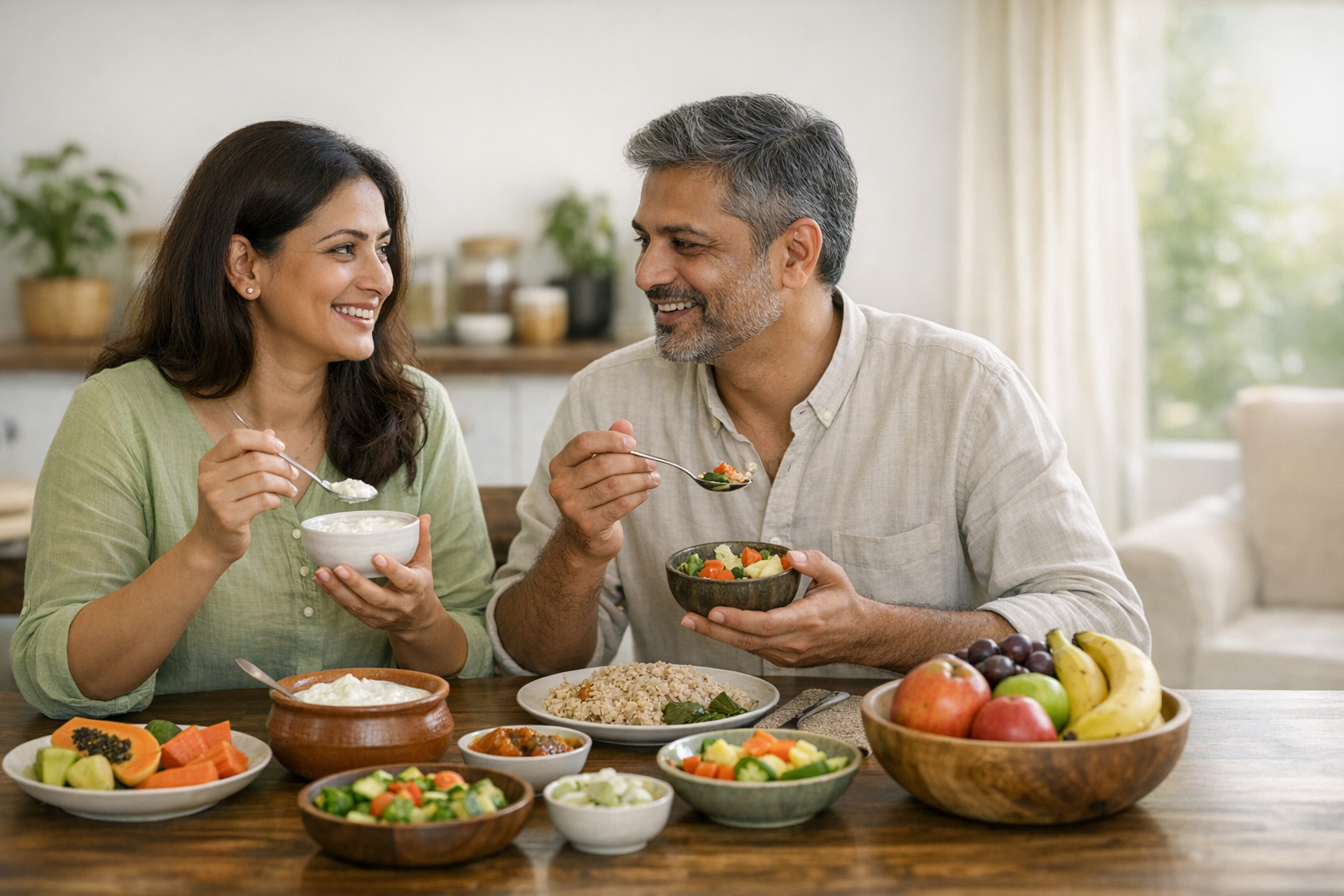
Living with Irritable Bowel Syndrome (IBS) can feel confusing, especially when certain foods that seem harmless suddenly lead to bloating, gas, or discomfort. Understanding IBS gut foods to avoid and learning gentler alternatives can make daily eating less stressful and more supportive of digestion.
This guide offers simple, practical information tailored to Indian eating habits, helping you make mindful choices without giving up the joy of food. For more gut-friendly insights, you can explore articles on The Gut Health blog at theguthealth.in/blog/.
Why some foods trigger IBS symptoms
IBS is a functional digestive condition, which means the gut becomes sensitive to certain foods or stressors. These triggers vary widely from person to person. For many individuals, certain carbohydrates called fermentable sugars tend to cause more bloating and discomfort because they draw water into the gut or ferment quickly.
Instead of restricting foods completely, the goal is to observe how your body responds and adjust gradually. Small changes often lead to noticeable comfort.
Common IBS gut foods to avoid or limit
Below is a helpful breakdown of foods that commonly cause symptoms for those with IBS. Remember, these are general patterns and not rigid rules.
1. High-lactose dairy products
Milk, malai, paneer, and some types of curd can be difficult to digest for people sensitive to lactose. This may lead to bloating, gas, or loose stools.
- Full-fat milk
- Milk-based sweets like rasgulla or kheer
- Cream-based sauces
Gentle alternatives
- Lactose-free milk
- Homemade curd in small portions (if well tolerated)
- Plant-based milk such as almond or coconut milk
2. Gas-producing vegetables
Some vegetables naturally create more gas during digestion. While nutritious, they may feel heavy for a sensitive gut.
- Cauliflower
- Cabbage
- Broccoli
- Raw onions
Gentle alternatives
- Gourd vegetables (lauki, tori, parwal)
- Carrots and beans
- Lightly cooked spinach
- Spring onions (green part)
3. Fried and oily foods
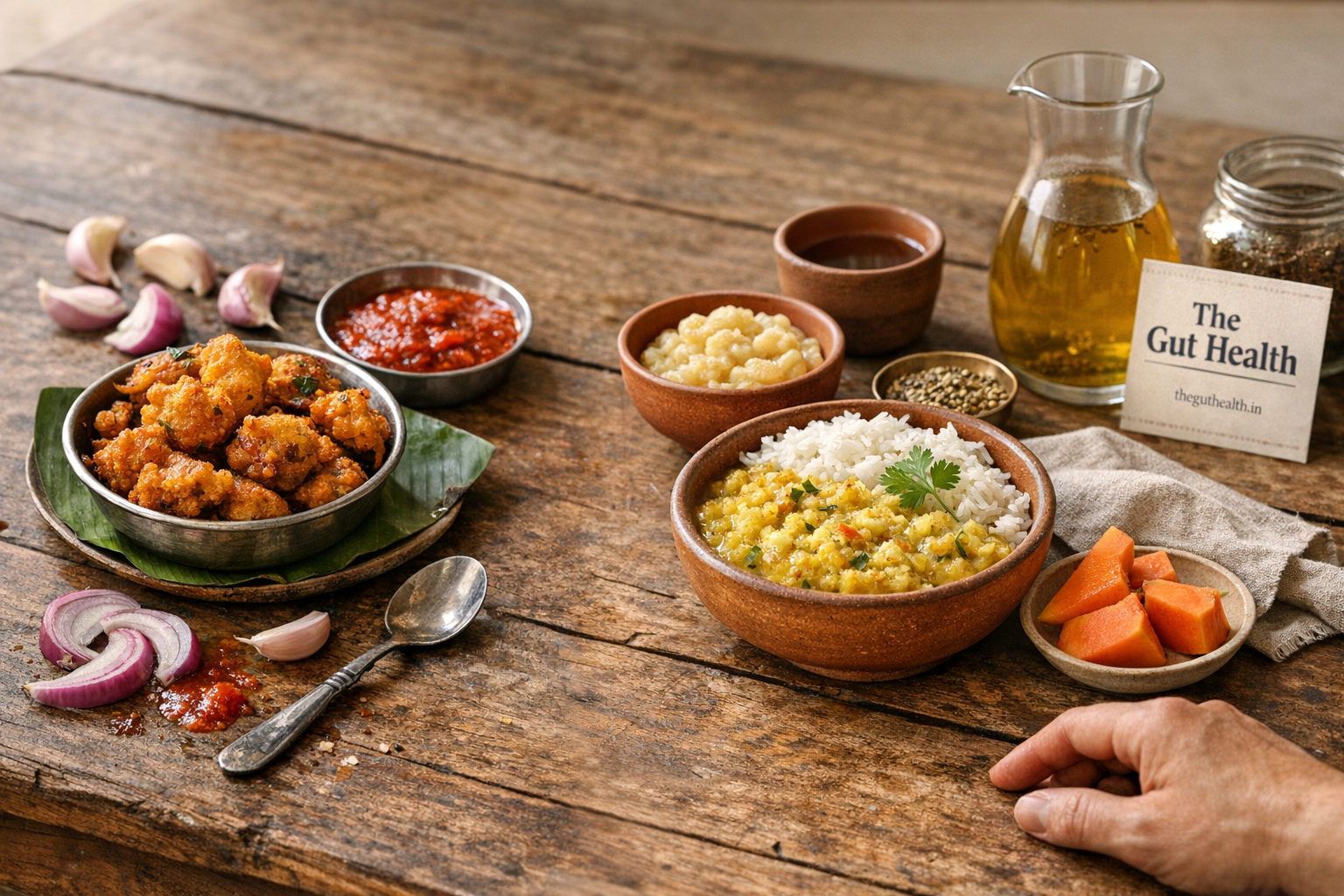
Fried snacks like pakoras, samosas, bhujia, and deep-fried street food can slow digestion and trigger discomfort.
- Heavily spiced fried snacks
- Oil-rich gravies
- Buttery parathas
Gentle alternatives
- Steamed or baked snacks
- Moong dal chilla
- Plain roti with light sabzi
4. Beans and lentils
Dal is a staple in Indian diets, but some varieties are gassier than others. The natural sugars in beans may ferment quickly in the gut.
- Rajma
- Chole
- Urad dal
Gentle alternatives
- Moong dal (yellow or green split)
- Masoor dal
- Well-cooked dals with minimal masala
5. Artificial sweeteners
Sugar-free chewing gums, diet sweets, and packaged foods may contain sorbitol or mannitol, which often trigger bloating for people with IBS.
Gentle alternatives
- Small amounts of jaggery
- Natural sweetness from fruits like banana or papaya
6. Wheat-heavy foods
Some people with IBS find that too much wheat leads to heaviness or bloating.
- Naan
- Maida-based breads
- Stuffed parathas
Gentle alternatives
- Rice or millets (ragi, jowar, bajra)
- Plain chapati instead of maida-based breads
7. Spicy and masala-heavy dishes
Chilli powder, strong garam masala, and rich gravies can irritate a sensitive gut.
- Street-style chaat
- Heavy curries
- Very spicy pickles
Gentle alternatives
- Mildly spiced sabzis
- Simple khichdi
- Jeera rice with light dal
How to identify your personal triggers
Not every food listed above will affect everyone. The goal is awareness, not strict restriction. Here are some practical ways to understand your own body better.
Keep a simple food journal
Writing down what you eat and how you feel afterward can help you observe patterns. Even a few days of tracking may offer insights.
Start slow with adjustments
Instead of removing many foods at once, try reducing or swapping one food group at a time. This makes it easier to notice changes.
Cook foods in gut-friendly ways
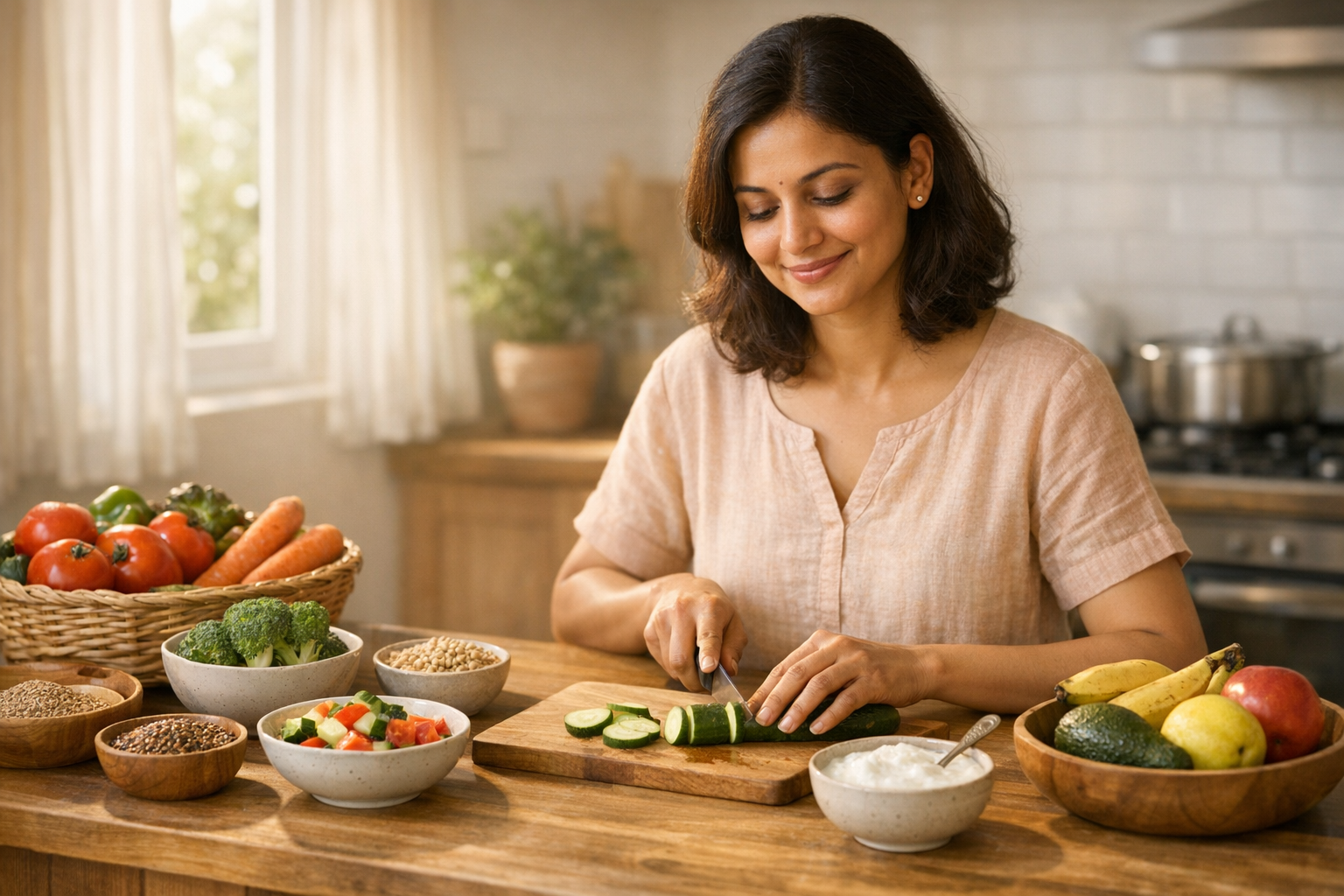
- Choose steaming, boiling, or sautéing instead of deep frying
- Use mild spices like jeera, ajwain, haldi, dhania
- Eat freshly prepared meals when possible
Portion sizes matter
For many people, the amount of food matters as much as the type. A small portion of chole may be tolerable, while a full plate may feel heavy.
Daily habits that support a calmer gut
Along with choosing gentler foods, simple lifestyle practices can help reduce IBS-related discomfort.
- Eat slowly and chew well
- Avoid eating late at night
- Try light movement after meals, such as walking
- Stay hydrated through the day
- Give yourself enough rest and downtime
Conclusion
Understanding IBS gut foods to avoid is less about strict rules and more about listening to your own body. By noticing which foods feel heavy and choosing gentle alternatives, you can create meals that support a calmer, more comfortable gut. Indian cuisine offers plenty of flexible options, and small, consistent changes often bring meaningful relief.
For more supportive articles on digestive wellness, you can explore resources at theguthealth.in.