
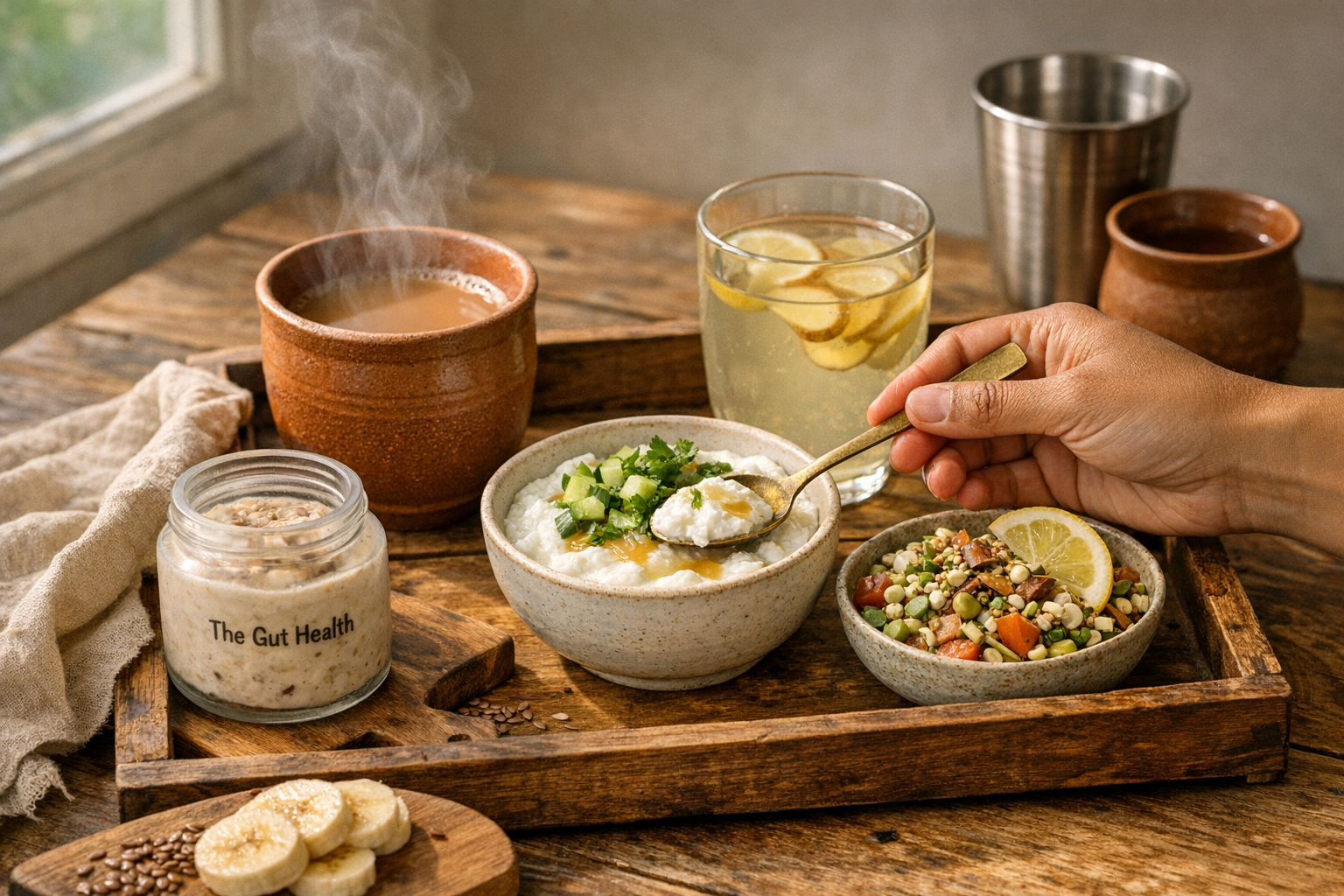
Easy Habits for Gut Health to Improve Daily Digestion
Good digestion plays a quiet but important role in how you feel every day. When your gut works smoothly, you often experience better energy, regular bowel movements, and overall comfort after meals. Developing simple, consistent habits for gut health can make a noticeable difference in daily digestion without requiring major lifestyle changes.
In this blog, we explore easy, practical habits that support a healthy gut environment, especially suited for Indian routines, diet patterns, and daily schedules. For more gut-friendly guidance, you can also explore insights at theguthealth.in and theguthealth.in/blog/.
Why Daily Habits Matter for Gut Health
The gut is a complex system made up of trillions of microorganisms. These microbes respond to what you eat, how you sleep, your stress levels, and even how active you are. Small daily actions can gradually strengthen your digestive balance, making it easier for your body to break down food, absorb nutrients, and maintain comfort throughout the day.
Simple Habits for Gut Health You Can Start Today
Choose Fiber-Rich Foods in Most Meals
Fiber acts as nourishment for beneficial gut bacteria. Traditional Indian meals already include many fiber-rich ingredients, so small adjustments can go a long way.
- Include vegetables like lauki, bhindi, beans, and carrots regularly.
- Rotate whole grains such as millets, brown rice, and whole wheat.
- Add nuts, seeds, and fruits for gentle digestive support.
Gradually increasing fiber helps prevent discomfort and allows your gut to adjust naturally.
Stay Hydrated Throughout the Day
Water supports digestion by helping fiber move smoothly through the intestines. Many people drink tea or coffee regularly but forget plain water. Try keeping a bottle near you or sipping water between meals. Herbal infusions like jeera water or warm water after waking up can also feel soothing.
Eat Mindfully Instead of Rushing Meals
How you eat is often as important as what you eat. Eating too quickly can lead to discomfort, bloating, or the feeling of heaviness.
- Chew food thoroughly to support natural breakdown.
- Take short pauses while eating to allow your body to register fullness.
- Avoid distracted eating when possible.
Mindful eating encourages smoother digestion and supports a calmer gut environment.
Include Naturally Fermented Foods
Traditional Indian diets include many fermented options that bring helpful bacteria into the gut. These foods are gentle, familiar, and easy to include:
- Curd or homemade dahi
- Buttermilk or chaas
- Idli, dosa, or dhokla batters
- Fermented pickles in moderation
These foods can be part of regular meals and contribute to microbial diversity over time.
Move Your Body Daily
Movement helps stimulate the digestive system. It doesn’t need to be intense; even simple activities can be helpful.
- Morning or evening walks
- Light stretching or yoga
- Household chores that keep you active
Consistency is more important than duration. Regular movement supports circulation, bowel regularity, and overall wellbeing.
Maintain a Consistent Eating Routine
Your digestive system responds well to predictable patterns. Eating around the same time daily helps the body prepare for digestion and reduces discomfort caused by irregular meal timing.
Try:
- Not skipping meals frequently
- Allowing enough time between meals for digestion
- Keeping dinner lighter and earlier when possible
Support Gut Health Through Stress Management
The gut and mind are closely connected. Stress, tension, or long working hours can influence digestion. Simple grounding practices can help create a calmer internal environment.
- Deep breathing for a few minutes
- Spending time outdoors
- Short breaks during busy work periods
- Gentle activities like reading or quiet meditation
You don’t need long sessions; even small moments of calm add up.
Balanced Eating Patterns That Help Digestion
Limit Overly Processed and Heavy Foods
Foods that are too oily, spicy, or processed may feel heavy for some people when eaten frequently. Balancing such meals with lighter options and homemade foods supports easier digestion.
Introduce Variety Instead of Repetition
Eating the same foods every day may limit the variety of nutrients and beneficial microbes you consume. Try rotating vegetables, grains, and snack options to nourish the gut more broadly.
Eat Enough, Not Excess
Balanced portions give the digestive system enough time to handle each meal comfortably. Paying attention to natural hunger and fullness cues helps minimise discomfort.
When to Pay Attention to Your Gut Signals
Everyone’s digestive system works differently. If you notice certain foods or habits repeatedly causing discomfort, consider adjusting them for a while and observe how your body responds. Staying aware of signals like bloating, irregularity, or heaviness can help you make more supportive choices.
Conclusion: Cultivating Gentle Habits for Gut Health
Improving digestion is often about making small, steady changes rather than following strict routines. The habits for gut health discussed here—such as eating mindfully, choosing more fiber, staying hydrated, managing stress, and keeping a consistent routine—are simple steps that can naturally support your gut over time.
As you explore what works best for your body, remember that every positive change, even a small one, contributes to a healthier digestive rhythm. For more calm and practical guidance, you can explore additional resources at theguthealth.in.