Boost Gut Motility Naturally with These Simple Tips
Many people experience occasional bloating, sluggish digestion, or that heavy feeling after meals. These are often related to how well food moves through the digestive tract, a process known as gut motility. When gut motility slows down, digestion can feel uncomfortable. The good news is that simple, everyday habits can support smoother movement in the gut.
At The Gut Health, we focus on making digestive wellness easy to understand and practical for daily life. This article explores gentle, natural ways to support gut motility using diet, lifestyle habits, and mindful eating practices suited to an Indian context. You can also explore more digestion-related articles on theguthealth.in or theguthealth.in/blog/.
What Is Gut Motility?
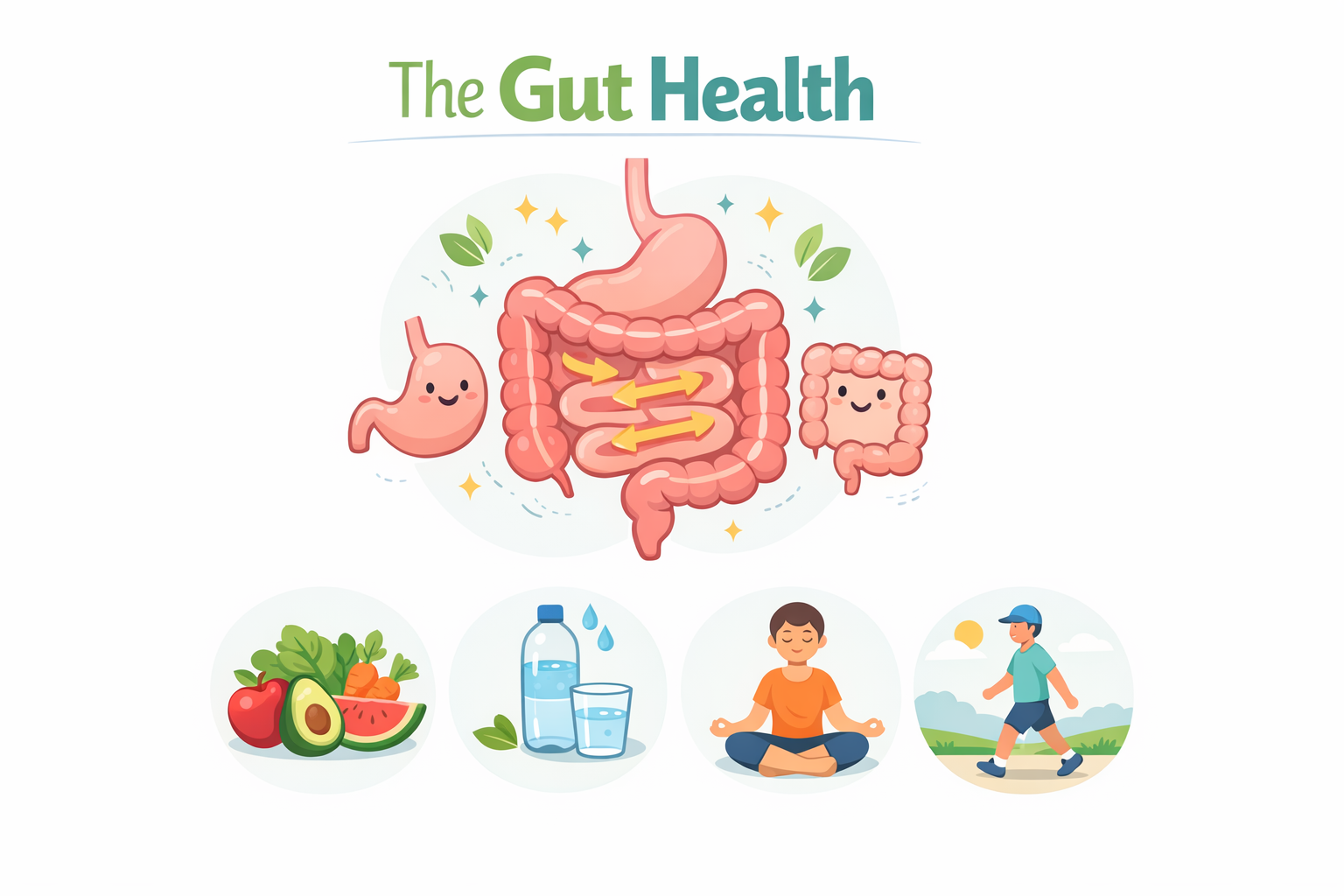
Gut motility refers to the way the muscles of the digestive tract contract and relax to move food from the stomach all the way to the colon. These rhythmic movements are essential for comfortable and efficient digestion. When motility is balanced, the gut moves at a steady pace. When it’s too slow, digestion may feel heavy or delayed. When it’s too fast, discomfort may also occur.
Daily Habits That Naturally Support Gut Motility
Improving gut motility does not require drastic changes. Small, consistent habits can make a difference over time. Below are some gentle, natural practices to consider.
1. Eat More Fibre-Rich Foods
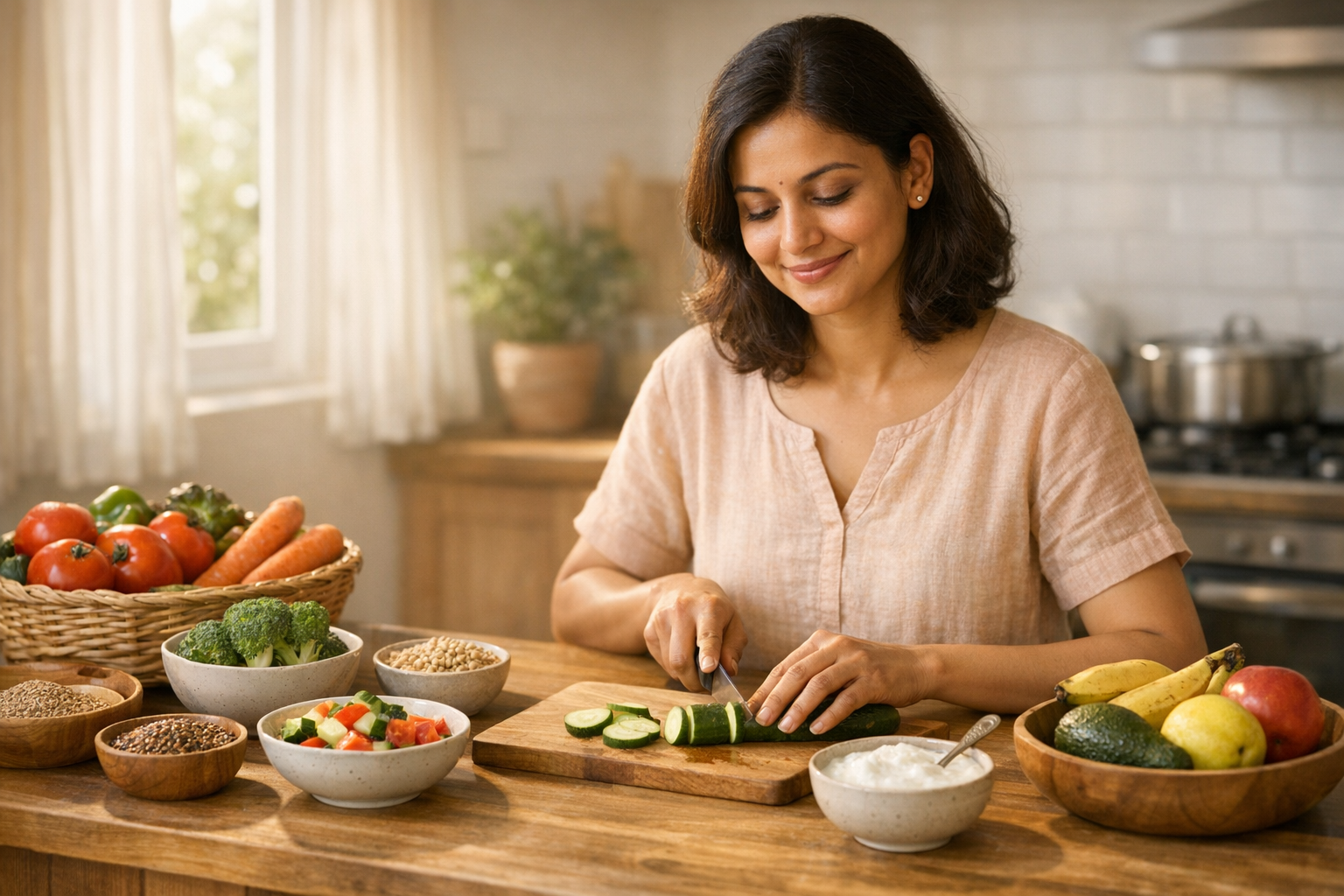
Fibre plays a key role in supporting regular movement in the digestive tract. It adds bulk, supports microbial balance, and encourages smooth passage of food.
- Include whole grains such as oats, brown rice, and millets like ragi or jowar.
- Add a variety of vegetables to your meals, especially leafy greens, carrots, gourds, and beans.
- Enjoy seasonal fruits like papaya, banana, apple, and guava.
- Consider lentils, rajma, chole, and other legumes as part of your routine.
Introduce fibre gradually and pair it with adequate hydration to avoid discomfort.
2. Stay Hydrated Throughout the Day
Fluid intake is essential for smooth movement in the gut. Without enough water, stools can become dry and harder to pass, which may slow down motility.
- Drink water consistently rather than all at once.
- Include coconut water, herbal infusions, or light soups if you prefer variety.
- Start your morning with a glass of warm water to gently wake up the digestive system.
3. Make Friends with Fermented Foods
Fermented foods naturally support a diverse gut microbiome. A balanced microbiome plays a helpful role in digestive movement.
- Curd, buttermilk, and lassi are simple daily options.
- Idli, dosa, dhokla, and other traditional fermented foods are familiar and comforting.
- Homemade pickles (in moderation) can also offer beneficial microbes.
4. Stay Physically Active
Movement encourages movement—quite literally. Staying active supports the natural rhythm of the digestive system.
- Try daily walks, even if just for 20–30 minutes.
- Gentle yoga poses like Pawanmuktasana or twists can help stimulate the abdomen.
- Stretching or light exercise between long hours of sitting keeps the gut engaged.
5. Eat at Regular Times
The digestive system functions well with routine. Irregular meal timings may confuse the body’s internal clock, including the gut’s motility patterns.
- Aim for consistent meal timings each day.
- Avoid very late-night dinners when possible.
- Allow time between meals for natural digestive processes.
6. Mindful Eating Helps More Than You Think
How you eat is just as important as what you eat. Eating too fast can overwhelm the digestive system and slow down motility.
- Chew your food thoroughly.
- Eat without distractions whenever possible.
- Pay attention to hunger and fullness cues.
Mindful eating supports the gut-brain connection, which plays a role in digestive movement.
Other Gentle Practices That May Support Gut Motility
1. Warm Foods and Beverages
Some people find warm meals and drinks more comfortable to digest. Warmth may help relax the digestive system and support movement.
2. Healthy Fats
Including moderate amounts of healthy fats can support smooth bowel movements.
- Try nuts, seeds, and small portions of cold-pressed oils.
- Traditional options like ghee, used in moderation, can also be gentle on the gut for many people.
3. Stress-Reduction Practices
The gut is closely connected to the mind. Stress may influence digestive rhythm, which is why relaxation practices can be helpful.
- Deep breathing
- Short breaks during the day
- Quiet time for reading or reflection
- Meditation or calming music
A Gentle Approach to Supporting Gut Motility
Supporting gut motility does not require intense effort or complicated routines. It often starts with simple habits—regular meals, hydration, fibre-rich foods, movement, and mindful eating. Each small change can contribute to a more comfortable digestive rhythm.
If you’d like to explore more science-backed digestive wellness insights, you can continue reading on theguthealth.in. A calm, consistent approach is usually more sustainable and helps you tune in to what your body needs. Over time, these simple practices can support smoother gut motility and help you feel more in sync with your digestive system.