Are Digestive Enzymes Essential for Your Health?
Many people notice that certain foods feel “heavy” on the stomach or take longer to digest. Others experience bloating or discomfort after meals and wonder if something is missing in their digestive process. This often leads to one important question: are digestive enzymes essential for better digestion and overall health?
At a time when conversations about gut health are growing and platforms like theguthealth.in offer simple, trustworthy information, understanding how digestive enzymes work can help you make more informed choices about your diet and lifestyle.
What Exactly Are Digestive Enzymes?
Digestive enzymes are proteins that help break down the food we eat into smaller, absorbable components. Think of them as tiny helpers that assist your body in processing carbohydrates, fats, and proteins.
Your body naturally produces these enzymes in the mouth, stomach, pancreas, and small intestine. Foods also contain natural enzymes, especially fruits and fermented items.
Major Types of Digestive Enzymes
- Amylase: Helps break down carbohydrates like rice, rotis, and fruits.
- Protease: Helps digest proteins found in dals, dairy, eggs, and meat.
- Lipase: Helps break down fats from oils, nuts, and ghee.
Why Are Digestive Enzymes Important?
Digestive enzymes make the overall process of digestion smoother and more efficient. When your body has the enzymes it needs, food is broken down at the right pace, nutrients are absorbed more effectively, and meals feel lighter.
How Digestive Enzymes Support the Body
- They help your body extract nutrients from food.
- They support smoother digestion by assisting in the natural breakdown of meals.
- They play a role in maintaining digestive comfort after eating.
Most healthy individuals naturally produce sufficient enzymes, but factors like age, stress, and certain dietary habits may influence this process.
Are Digestive Enzymes Always Necessary?
For many people, the body’s natural enzyme production is enough to support daily digestion. However, some individuals may feel that their digestion changes over time. For example, heavy meals, irregular eating patterns, or highly processed foods may feel more difficult to digest.
Instead of immediately turning to supplements, it is often helpful to reflect on your eating habits and lifestyle patterns. Digestion is influenced by many factors, including hydration, meal timing, physical activity, and overall gut health.
On https://theguthealth.in/blog/, you can find guidance on maintaining a balanced gut environment that naturally supports enzyme activity.
Foods That Naturally Support Digestive Enzyme Activity
Before considering external enzyme sources, many people benefit from adding enzyme-rich or gut-friendly foods to their meals. These foods often support the digestive process in a gentle, natural way.
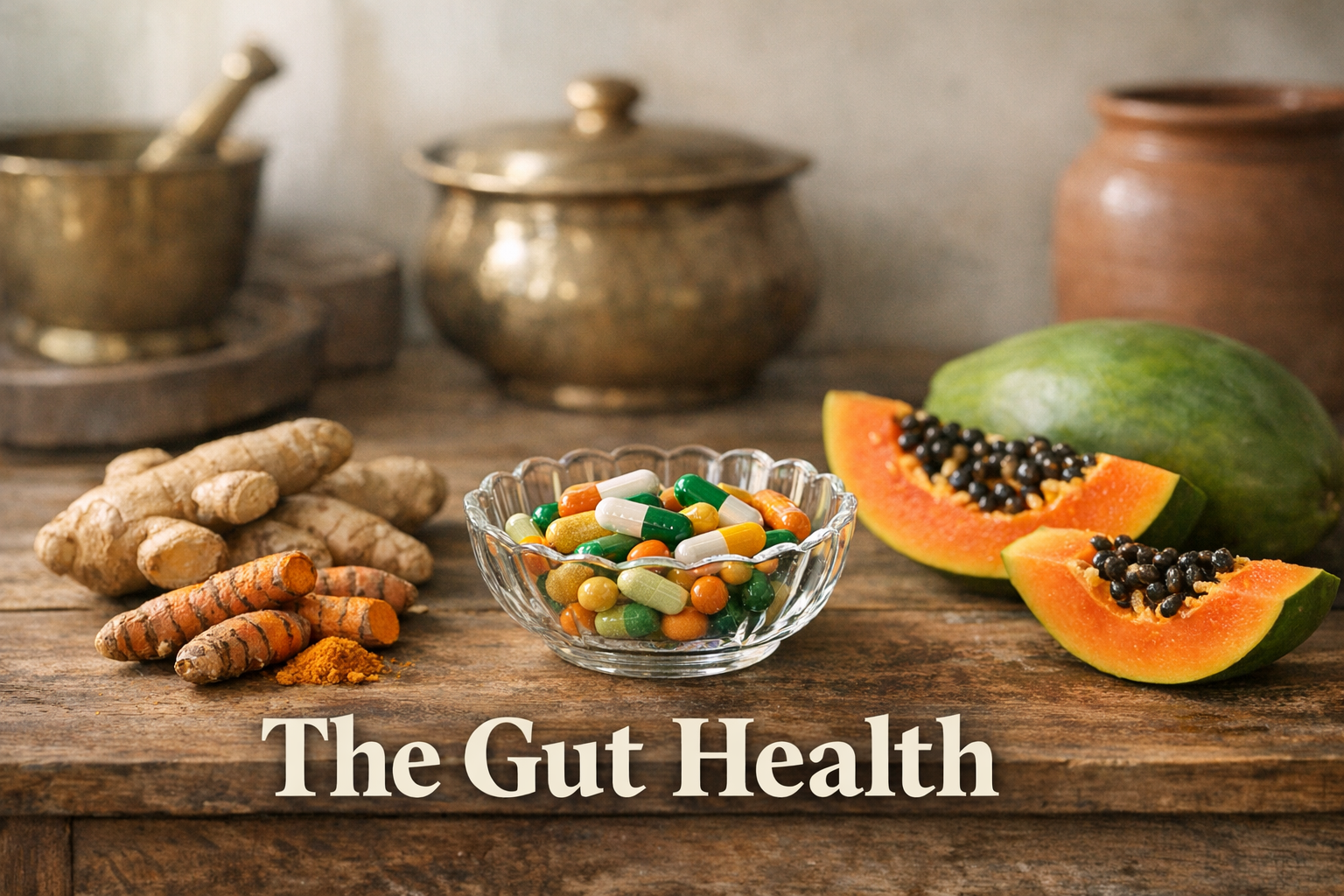
- Papaya: Contains papain, a natural enzyme helpful in breaking down proteins.
- Pineapple: Contains bromelain, another protein-digesting enzyme.
- Bananas: Provide natural enzymes and are gentle on the stomach.
- Yoghurt and curd: Support digestion through natural fermentation.
- Fermented foods like idli, dosa batter, pickles, and kanji.
- Squeezing lemon on food may stimulate digestive secretions.
Traditional Indian Eating Practices That Help Digestion
- Eating freshly cooked meals rather than leftovers.
- Using spices like jeera, ajwain, ginger, and hing to support digestion.
- Including a small portion of raw fruits or vegetables in the diet.
- Drinking warm water or herbal beverages after meals.
What Affects Your Body’s Digestive Enzyme Production?
It is natural for digestion to change with lifestyle shifts. Some common factors that may influence the body’s natural enzyme activity include:
- Eating too quickly or overeating
- High intake of processed foods
- Long gaps between meals
- Stress or irregular sleep
- Aging
Even simple steps like chewing food properly, eating mindfully, and staying hydrated can support the body’s natural digestive processes.
Do You Need Digestive Enzyme Supplements?
Digestive enzyme supplements are widely available, but they are not necessary for everyone. For many individuals, focusing on whole foods and mindful eating can make a noticeable difference. Supplements may be considered in certain situations, but they should be approached thoughtfully and preferably with guidance from a qualified professional.
It is also important to remember that supplements cannot replace balanced meals, traditional food wisdom, or consistent lifestyle routines.
Simple Ways to Support Natural Digestion
- Eat meals at regular times to help your body anticipate digestion.
- Chew food thoroughly to allow enzymes in your saliva to start working.
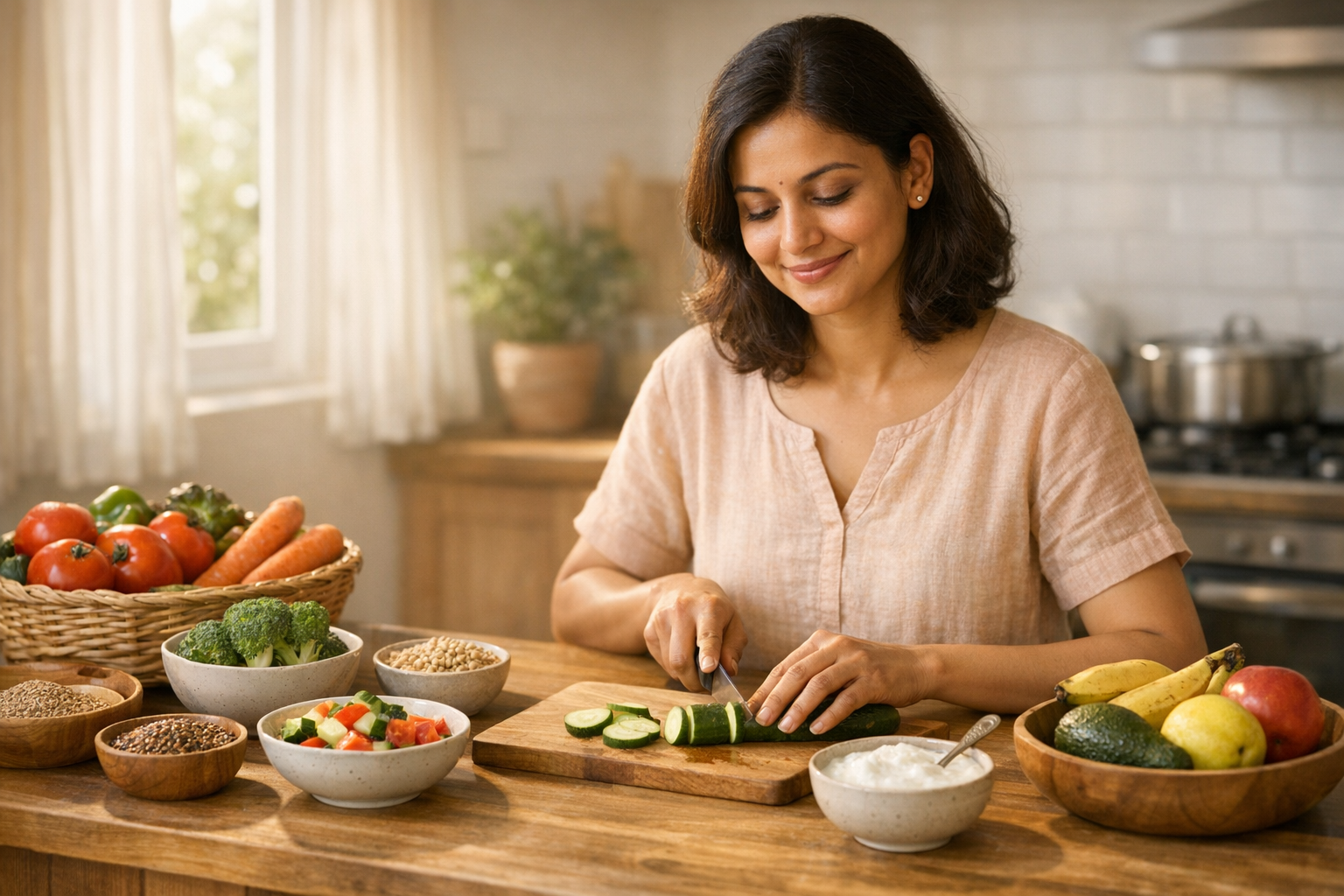
- Include a variety of fruits, vegetables, and fermented foods.
- Stay active through walking, yoga, or gentle movement.
- Hydrate well throughout the day.
These small habits often contribute to smoother digestion without the need for additional support.
Conclusion: Are Digestive Enzymes Essential for Your Health?
Digestive enzymes play an important role in helping your body process food and absorb nutrients. For most people, the body naturally produces enough of them. While some individuals may explore additional support, many can improve their digestive comfort through mindful eating, simple lifestyle practices, and enzyme-rich foods.
Understanding your own digestive patterns is key. By observing how your body responds to different foods and routines, you can make choices that feel right for your gut. Resources like https://theguthealth.in offer helpful guidance for anyone interested in learning more about gut health and digestive wellness.
Digestive enzymes are valuable helpers, but they are just one part of a larger picture of balanced eating, gentle habits, and a supportive gut environment.