
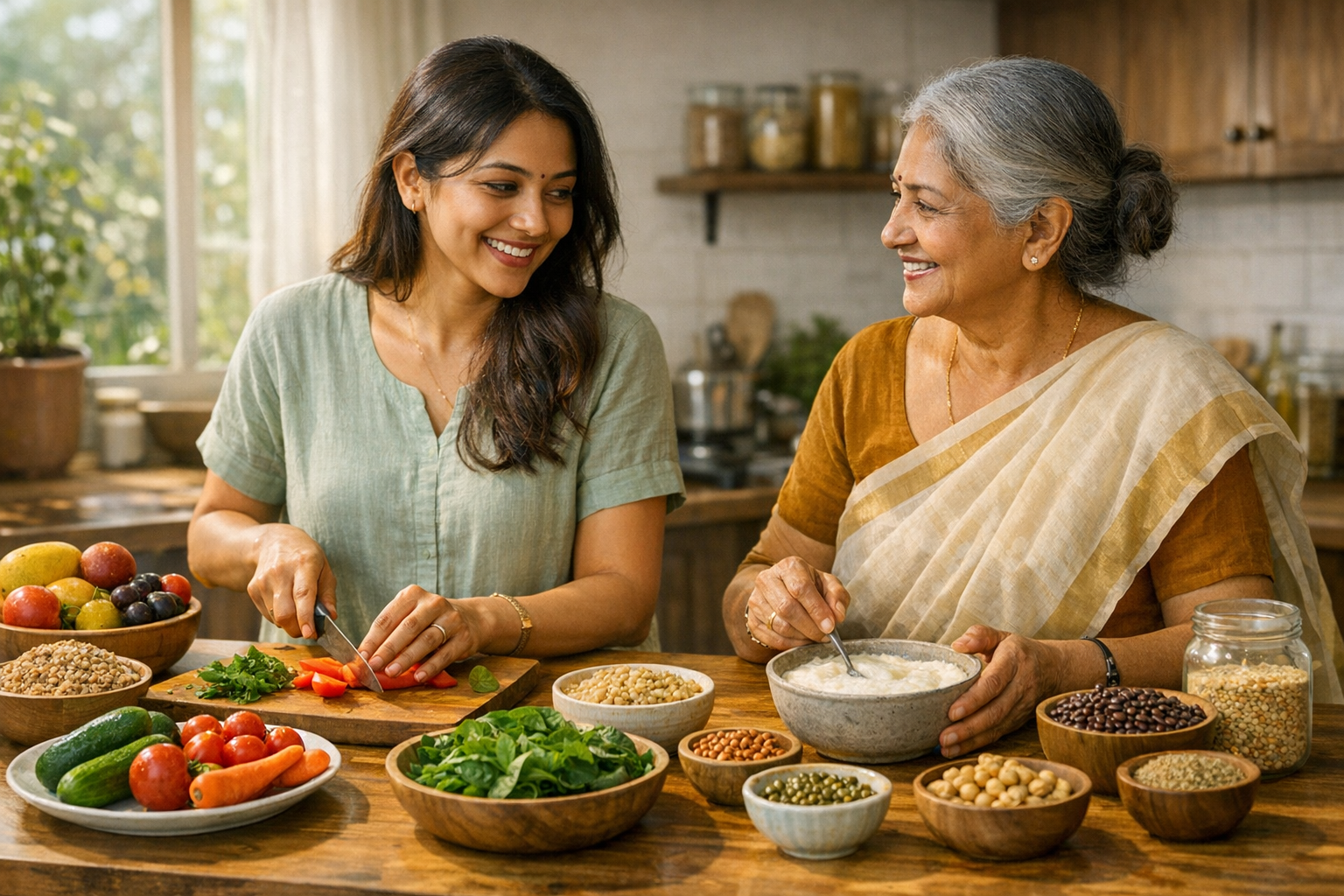
Eating for Gut Health: Simple Foods That Make a Big Difference
Have you ever had a “gut feeling” about something? Turns out, your gut might actually know more than you think. Beyond just digesting food, your gut is home to trillions of bacteria—together, they make up what’s called your gut microbiome. And keeping that community of tiny organisms healthy plays a huge role in your overall well-being.
But how do you feed your gut the right way? The answer lies in choosing everyday foods that naturally support a healthy gut. Let’s explore what those are and how you can easily add them into your daily routine.
Why Is Gut Health So Important Anyway?
Your gut doesn’t just help break down food—it’s a major player in your body’s immune system, mood regulation, and even energy levels. Think of your digestive system as the command center for many other functions. When your gut is out of balance, you might feel sluggish, bloated, or get sick more often.
A diverse and balanced gut microbiome helps:
- Break down food properly
- Absorb essential nutrients
- Regulate immune responses
- Reduce inflammation
- Improve mental clarity and mood
That’s why it’s so important to fuel your gut with the foods it loves.
Best Foods for Gut Health
So, what should you eat for better gut health? Don’t worry—you don’t need any fancy supplements or rare ingredients. Most of the best gut-friendly foods can be found at your local grocery store. Here’s what to look for.
1. Fiber-Rich Foods
Fiber is like a buffet for your gut bacteria. They feed on it and thrive, especially when it comes from a variety of plant-based sources. The average person doesn’t get enough fiber, so it’s time to up your game!
Great high-fiber options include:
- Vegetables: Broccoli, leafy greens, carrots
- Fruits: Apples, bananas, berries, pears
- Whole grains: Oats, quinoa, brown rice
- Legumes: Lentils, beans, chickpeas
Pro tip: Gradually increase your fiber intake and drink plenty of water to avoid stomach discomfort.
2. Fermented Foods
Fermented foods are packed with probiotics—the “good” bacteria that help keep your gut in balance. These natural probiotics help replenish the bacteria in your digestive tract.
Try adding these to your diet:
- Yogurt with live cultures
- Kefir—a tangy fermented milk drink
- Sauerkraut and kimchi
- Miso and tempeh
Remember: Look for unpasteurized and refrigerated versions of these foods for the strongest probiotic benefit.
3. Prebiotic Foods
If probiotics are the seeds, prebiotics are the fertilizer. Prebiotics are types of fiber that help feed the good bacteria already in your gut, helping them grow stronger.
Common prebiotic foods include:
- Garlic and onions
- Leeks
- Asparagus
- Bananas (especially when slightly green!)
What to Cut Back On
Not all foods are gut-friendly. In fact, some everyday dietary habits could be throwing your digestive system off balance.
Try to limit your intake of:
- Highly processed foods: Chips, cookies, frozen meals
- Added sugars: Soft drinks, candy, sugary cereals
- Artificial sweeteners: Found in many “sugar-free” labeled products
These foods can disrupt the good bacteria in your gut and even encourage the bad ones to multiply.
Simple Tips to Eat More Gut-Friendly Foods
You don’t have to overhaul your entire diet overnight. Small changes can add up over time. Here’s how to get started:
- Add fruit to your breakfast: Toss some bananas or berries into your cereal or yogurt.
- Swap white rice for brown rice or quinoa a few times a week.
- Incorporate fermented foods like sauerkraut into sandwiches or salads.
- Snack smart with handfuls of nuts, carrot sticks, or plain popcorn.
Personally, I found that adding a bowl of plain Greek yogurt with berries a few times a week made me feel more energized and less bloated. Little steps can make a big difference!
Your Gut, Your Health
When it comes to your health, your gut plays a bigger role than you might think. By choosing foods that support your gut microbiome—like fiber-rich fruits and vegetables, fermented foods, and prebiotics—you’re also boosting your immune system, mental clarity, and digestion.
So, next time you plan a meal, ask yourself: Is this feeding me—and my gut bacteria? Chances are, your whole body will thank you for it.
Start small, stick with it, and trust your gut—literally!