
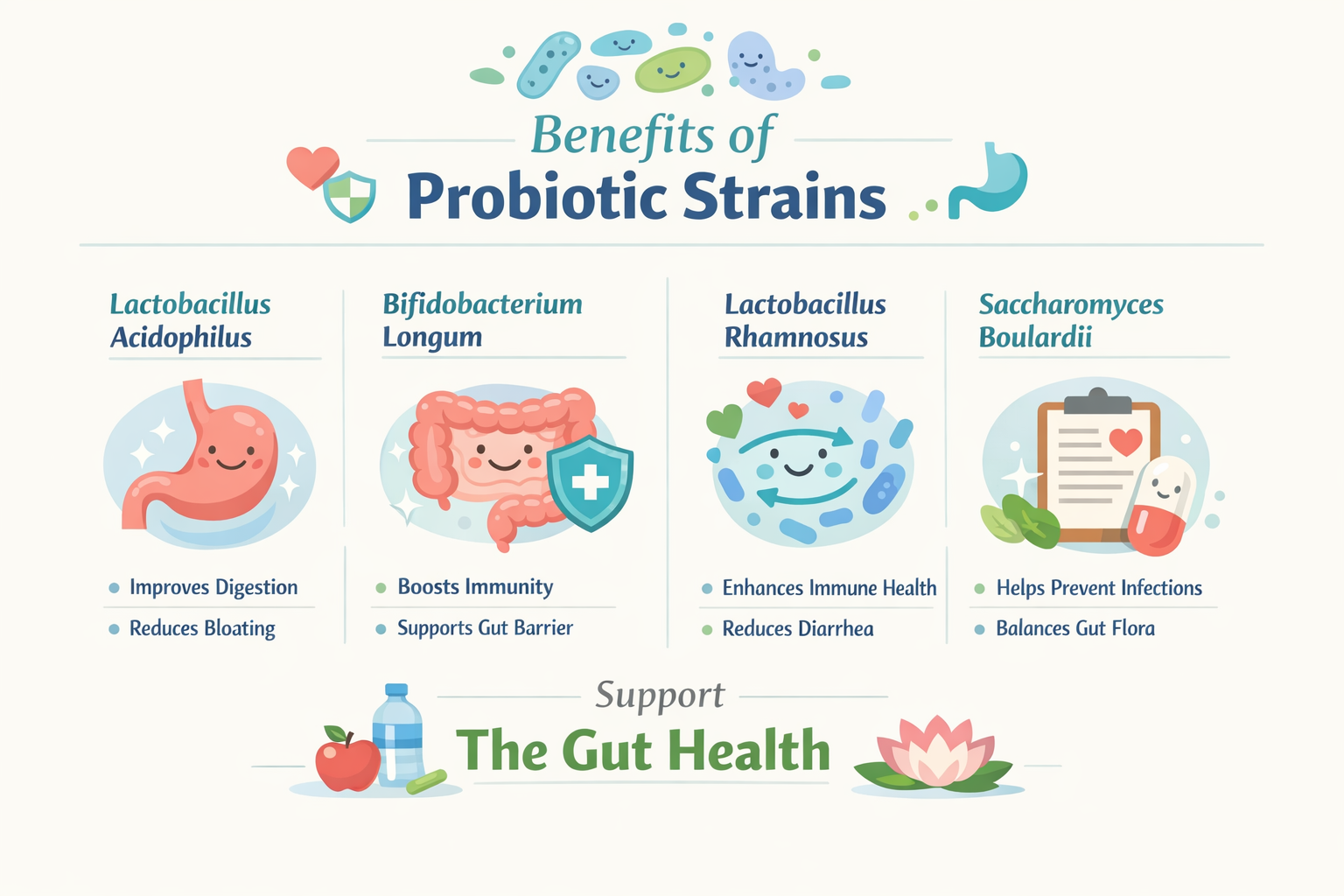
Exploring the Benefits of Different Probiotic Strains
Probiotics have become a familiar term in conversations around gut health, especially as more people begin to recognise how closely digestion, immunity, and overall well-being are connected. While many of us know that probiotics are “good bacteria,” fewer people understand that different probiotic strains can have different roles in supporting the body. Just like there are many varieties of fruits, vegetables, or dals, probiotic strains also come in distinct types, each with its own characteristics.
This blog explores the unique benefits of common probiotic strains, how they support digestive balance, and how you can incorporate them into your daily routine. The aim is to keep things simple, practical, and relevant to an Indian lifestyle. For more gut health resources, you can also explore articles on https://theguthealth.in/blog/.
Why Probiotic Strains Matter
Probiotics are living microorganisms that naturally live in our digestive system. However, not all probiotics are the same. A strain refers to a specific type within a species of bacteria, and each strain can behave a little differently inside the gut.
Understanding probiotic strains helps you make more informed choices, especially when selecting fermented foods or probiotic supplements. Instead of focusing on high numbers or general claims, learning about strains gives you clearer expectations of what they may support.
Common Probiotic Strains and Their Potential Benefits
Below are some of the most well-researched and commonly used probiotic strains. They are found in foods, traditional ferments, and some supplements.
Lactobacillus Strains
Lactobacillus species are often the first probiotics people encounter because they naturally occur in fermented foods. Many Indian foods such as curd, buttermilk, and homemade pickles can contain Lactobacillus strains.
- Lactobacillus rhamnosus: Known for supporting digestive balance. It is widely studied and is often present in probiotic formulations.
- Lactobacillus acidophilus: A common strain found in curd and cultured dairy products. It helps maintain a balanced environment in the gut.
- Lactobacillus plantarum: Found in ferments like sauerkraut and some homemade Indian pickles. It is known for its ability to tolerate various conditions in the digestive tract.
Bifidobacterium Strains
Bifidobacterium is another major group of probiotics that naturally reside in the intestines, especially in the colon. They tend to be involved in breaking down certain fibres and supporting comfortable digestion.
- Bifidobacterium longum: One of the most common strains in the human gut. It plays a role in maintaining a healthy digestive environment.
- Bifidobacterium bifidum: Often studied for its role in supporting general gut function.
- Bifidobacterium lactis: A hardy strain that can survive well through the digestive process.
Streptococcus Thermophilus
Widely used in making curd and yoghurt, this strain helps ferment milk. It is generally well-tolerated and has been a part of traditional diets for generations.
Bacillus Strains
These strains form spores, allowing them to survive heat and harsh conditions. Many Indian fermented foods, including some homemade rice and lentil ferments, may contain Bacillus varieties.
- Bacillus coagulans: Common in several probiotic supplements in India. It survives well through digestion due to its spore-forming nature.
- Bacillus subtilis: Found in traditional ferments around the world. Known for its resilience.
How Different Strains Support Digestive Well-Being
While each strain has its own strengths, many probiotics share general supportive roles in the digestive system. These may include:
- Maintaining a balanced community of microorganisms in the gut
- Supporting comfortable digestion after meals
- Helping the body break down fibre-rich foods
- Working alongside natural gut bacteria to support overall well-being
The effects can vary from person to person. Factors like diet, stress, sleep, medications, and lifestyle all influence how probiotics work in the body.
Indian Foods That Naturally Contain Probiotic Strains
Probiotics are not limited to supplements. Many traditional Indian foods have natural fermentation processes that may introduce beneficial bacteria. Some examples include:
- Curd and buttermilk (chaas)
- Homemade pickles fermented naturally without vinegar
- Idli and dosa batter that ferments overnight
- Kombucha and kefir, which are becoming more popular in urban areas
Including these foods regularly may help support a more diverse gut environment.
How to Choose Probiotic Strains That Suit You
Selecting a probiotic can feel confusing because labels often list many strains. A simple approach is to look for strains that align with your personal needs and lifestyle. Here are some tips:
- Look for well-researched strains such as Lactobacillus and Bifidobacterium species.
- Choose products that clearly list the strains rather than just the species.
- Pay attention to how your body responds to different foods and ferments.
- Start gradually, whether with fermented foods or supplements.
If you have specific health concerns or take regular medication, it may help to speak with a qualified healthcare professional for personalised guidance.
Simple Ways to Support Probiotics Through Daily Habits
Probiotic strains work best when supported by a healthy lifestyle. Some simple habits include:
- Eating fibre-rich foods like fruits, vegetables, whole grains, and dals
- Staying hydrated throughout the day
- Including prebiotic foods such as bananas, garlic, onions, and oats
- Managing stress through yoga, walking, or mindful practices
- Maintaining consistent meal timings
These habits help create a welcoming environment for beneficial bacteria to thrive.
Conclusion: Understanding Probiotic Strains for Better Gut Health
Exploring different probiotic strains can deepen your understanding of how beneficial bacteria support gut balance. With so many strains found in food and supplements, it helps to know their unique qualities and how they might fit into your daily routine. Whether you enjoy curd with lunch, sip chaas in the summer, or experiment with homemade ferments, small consistent habits can support a more diverse gut environment.
For more helpful insights on digestive well-being, you can continue reading at https://theguthealth.in. A calm, steady approach to gut health often brings the most sustainable results.