Unlocking Health: The Importance of Microbiome Diversity
The human body is home to trillions of microorganisms, most of which live in the gut. Together, they create a vibrant internal world known as the gut microbiome. In recent years, scientists have discovered that the diversity of the microbiome plays a central role in shaping overall well-being. From digestion and metabolism to mood and immunity, the tiny organisms inside us influence far more than we once imagined.
For readers exploring gut health on platforms like The Gut Health and resources at theguthealth.in, understanding microbiome diversity can be a meaningful step toward learning how the body maintains balance.
What Is Microbiome Diversity?
Microbiome diversity refers to the variety of microorganisms present in the gut. These include bacteria, fungi, viruses, and other microbes. A diverse microbiome simply means that many different types of organisms live together, each performing their own small but essential functions.
In nature, diversity helps an ecosystem stay stable. The same principle applies to the gut. When there is a wide range of microbes, the gut environment tends to function more smoothly and adapt more easily to changes in diet, lifestyle, and stress.
Why Microbiome Diversity Matters
Although research in this field continues to evolve, growing evidence suggests that microbiome diversity supports several important body functions. While each person’s gut ecosystem is unique, certain patterns have been observed across different populations.
Supports Digestive Comfort
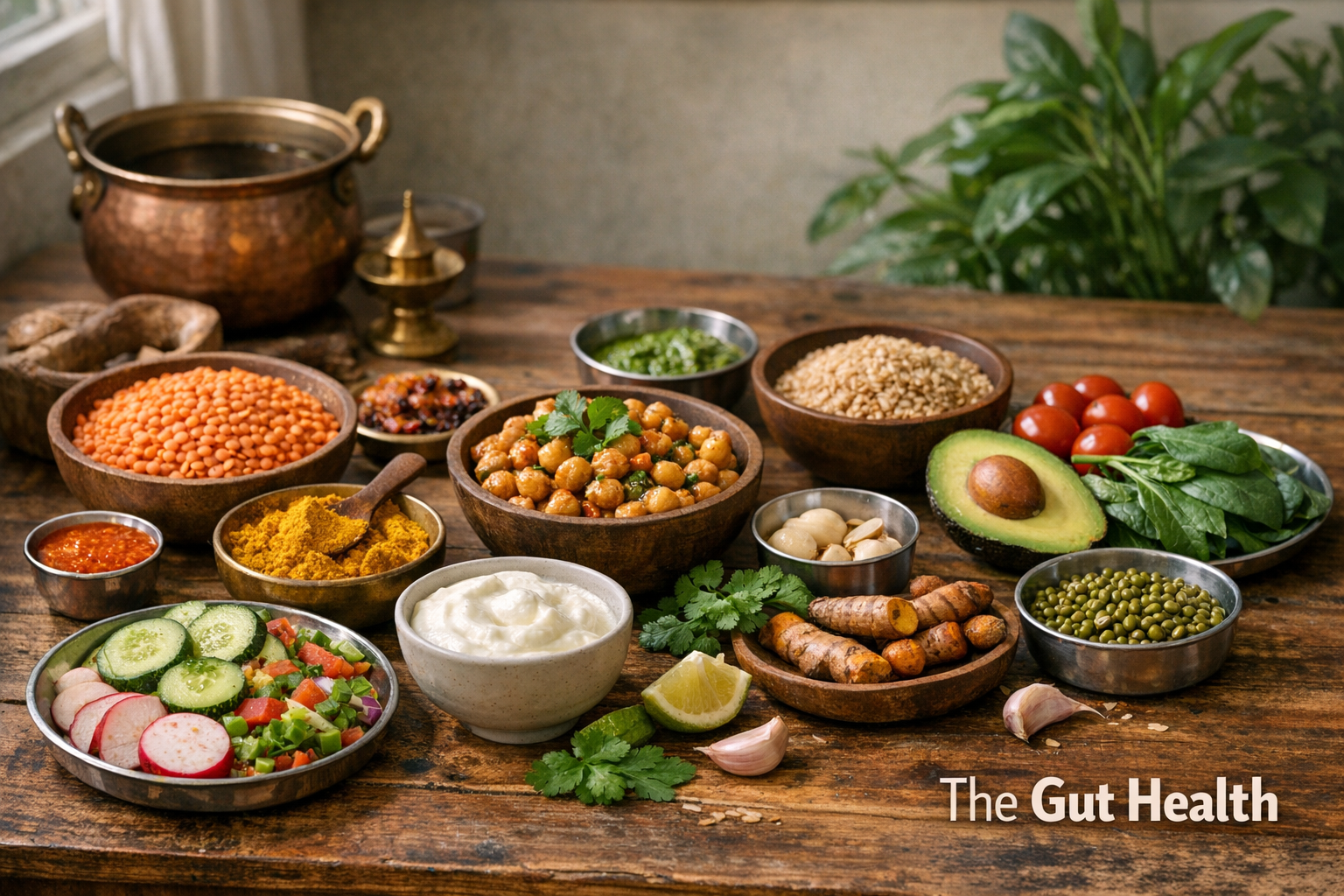
A diverse microbiome can help the body break down different kinds of foods. In India, where meals often include a mix of grains, lentils, vegetables, spices, and fermented dishes, a varied gut environment may help handle this wide range of ingredients more comfortably.
Contributes to Nutrient Processing
Many gut microbes assist in producing or transforming nutrients such as certain vitamins and short-chain fatty acids. These compounds may play a role in supporting intestinal health and maintaining energy balance.
Helps Maintain Internal Balance
A rich mix of microbes can help maintain harmony within the gut. This balance may support the body’s natural ability to respond to everyday changes in diet, routine, or stress without feeling overly disrupted.
Influences Gut-Brain Communication
The gut and brain communicate through a network of nerves and chemical messengers. Microbial diversity may contribute to smoother communication within this gut-brain axis, which many people notice through improved digestive comfort and emotional steadiness.
What Affects Microbiome Diversity?
Several lifestyle and environmental factors can shape the diversity of the gut microbiome over time. Understanding these influences can help individuals make informed choices that support a balanced internal ecosystem.
- Diet: A routine containing the same foods every day may limit diversity. Including a wider range of plant-based foods may support microbial variety.
- Antibiotic Use: While important when needed, antibiotics may temporarily affect microbial balance.
- Stress Levels: Long-term stress can influence the gut environment.
- Sleep Quality: Consistent, restful sleep supports healthy body rhythms, which may benefit the gut.
- Physical Activity: Regular movement is associated with a more varied microbiome.
How to Support Microbiome Diversity in Daily Life
Small, realistic changes can help nurture microbial variety over time. These are not medical recommendations but simple lifestyle ideas rooted in current understanding of gut-friendly habits.
Eat a Wider Range of Plant Foods
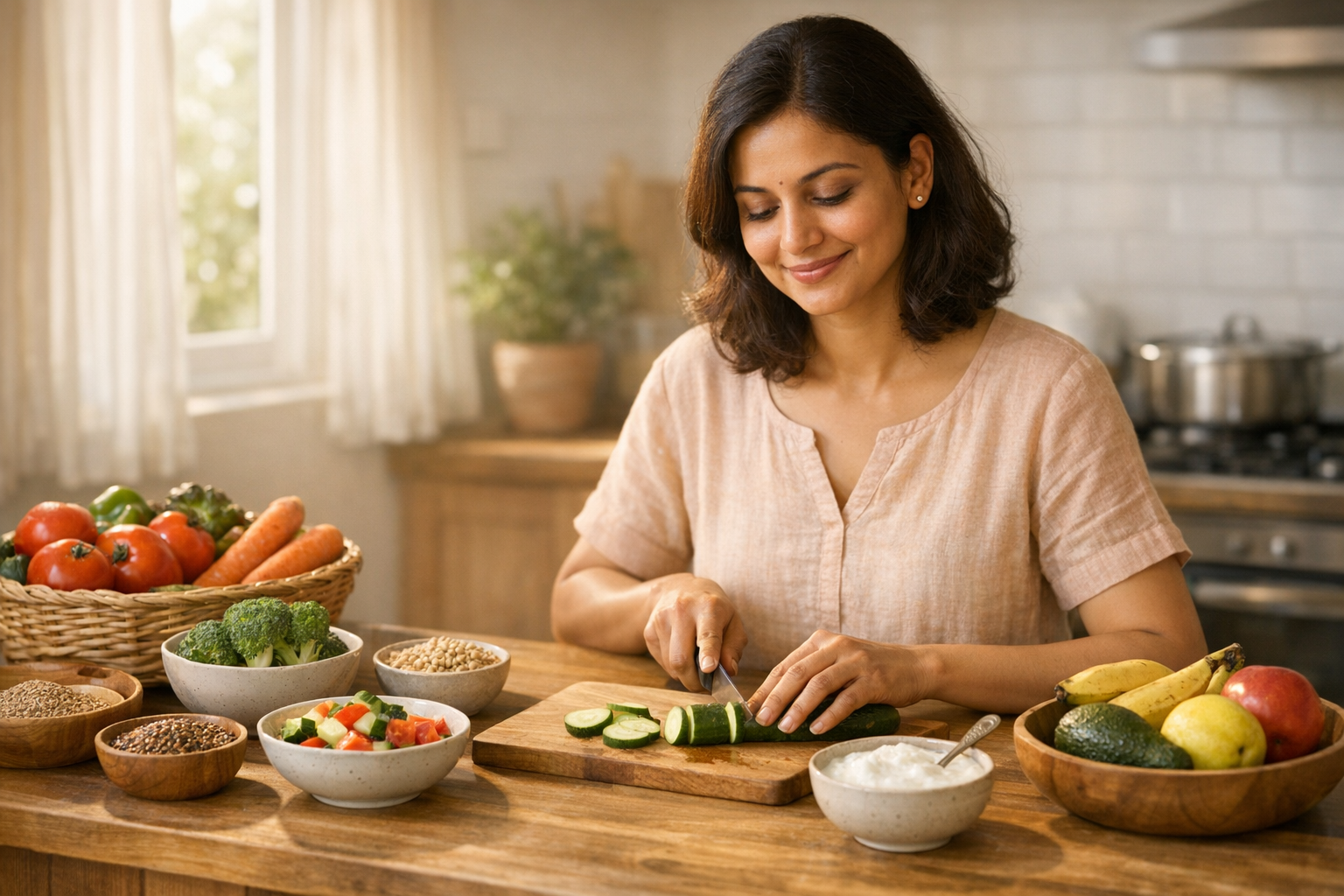
Different microbes thrive on different kinds of dietary fibers and natural compounds. Including variety in fruits, vegetables, whole grains, pulses, nuts, and seeds may help nourish more types of beneficial microbes.
- Rotate vegetables instead of relying on the same few
- Explore regional produce such as drumstick, raw banana, or red amaranth
- Add mixed dals instead of a single type of lentil
Include More Fermented Foods
Traditional Indian diets already include several fermented dishes. These foods naturally contain living cultures that may add to the gut ecosystem.
- Curd or homemade yogurt
- Idli, dosa, or dhokla batter
- Fermented pickles prepared using traditional methods
- Kanji or rice gruel left to ferment naturally
Stay Physically Active
Regular movement helps maintain healthy digestion. Walking, yoga, gentle strength training, or any enjoyable activity can support overall well-being, which may indirectly benefit the gut environment.
Manage Daily Stress
Simple practices can help calm the mind and body. Many readers find mindful breathing, meditation, or spending time in nature helpful in supporting everyday emotional balance, which can reflect positively on gut comfort.
Prioritise Quality Sleep
A consistent sleep routine helps regulate the body’s natural rhythms. Gradually adopting small habits—such as reducing screen time before bed or following a steady sleep schedule—may support the gut’s daily cycles.
The Role of Traditional Indian Eating Patterns
Indian food culture already contains many elements that can naturally support microbiome diversity. Meals often include a foundation of whole grains, legumes, vegetables, spices, and fermented dishes. Traditional practices such as seasonal eating, incorporating bitter and sour flavours, and cooking with fresh ingredients provide natural variety.
Being mindful of these traditions and adjusting them to modern lifestyles can help individuals feel more connected to their meals and digestion.
Microbiome Diversity and Long-Term Wellness
Diversity in the gut microbiome is often associated with long-term balance. It does not guarantee specific outcomes, but it contributes positively to the body’s overall ecosystem. Over time, even small daily habits can collectively support a richer, more resilient microbiome.
Readers seeking more insights on gut wellness can explore thoughtfully written articles at https://theguthealth.in/blog/ for guidance grounded in science and everyday experience.
Conclusion: Understanding Microbiome Diversity for Better Well-Being
Microbiome diversity is a meaningful aspect of gut health and a valuable concept for anyone interested in nurturing long-term wellness. By including more variety in food, staying active, managing stress, and honouring traditional eating practices, individuals can gently support their internal ecosystem.
As science continues to evolve, exploring the gut through reliable resources like theguthealth.in can help deepen understanding. A diverse microbiome is not about perfection but about balance, adaptability, and supporting the body in small, consistent ways.