
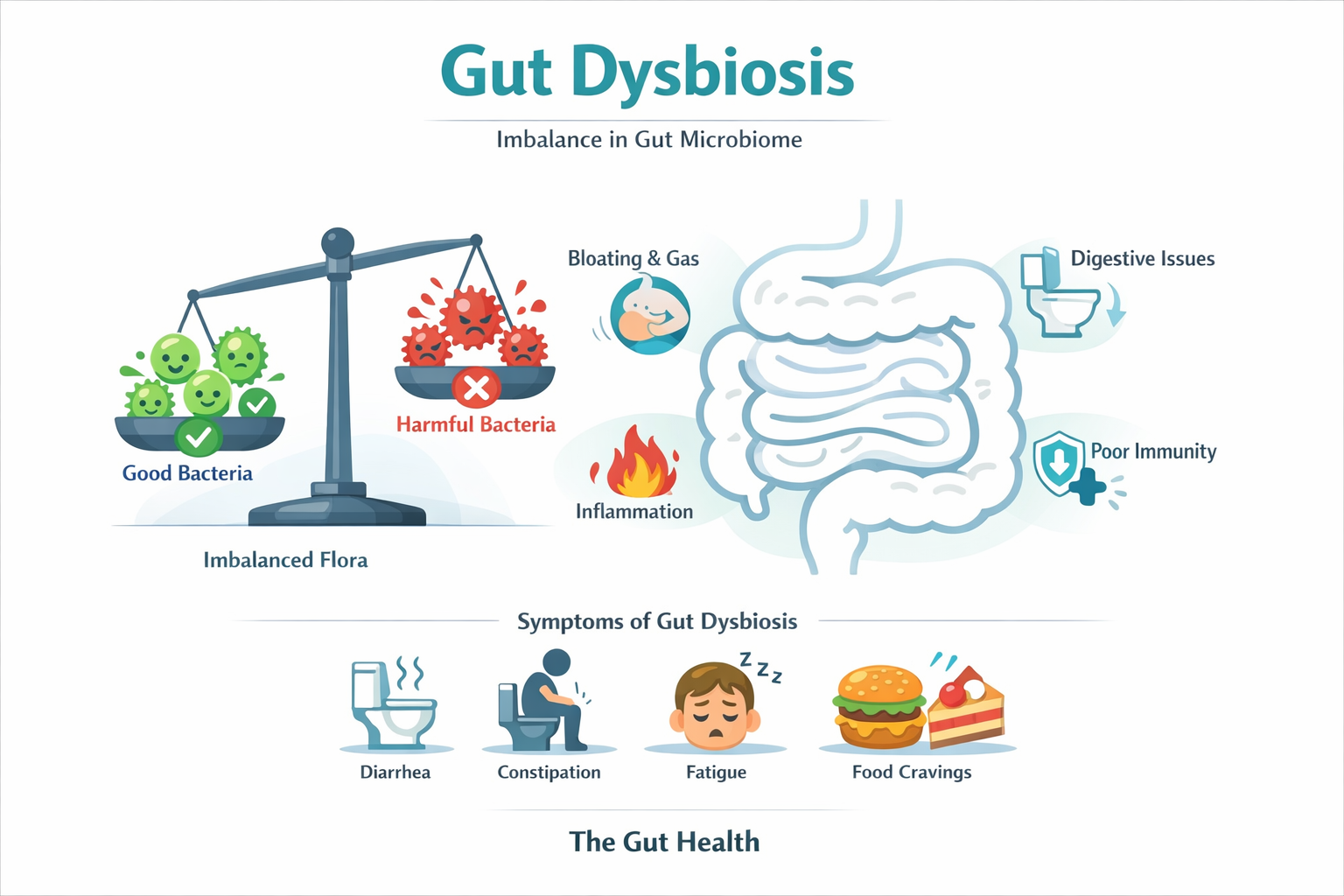
What You Need to Know About Gut Dysbiosis
Gut health has become an important part of conversations around overall well-being, and for good reason. The community of microorganisms living in the digestive tract plays a major role in how we feel, digest, absorb nutrients, and even maintain everyday energy. One term you may come across when learning about gut health is gut dysbiosis. While it may sound complicated, the idea itself is simple: it refers to an imbalance in the gut ecosystem.
This blog from The Gut Health aims to explain what gut dysbiosis means, why it happens, and how everyday choices can influence gut balance. The goal is to keep the information clear, approachable, and relevant to Indian lifestyle and dietary habits. For more gut health insights, you can explore articles on https://theguthealth.in/blog/.
What Is Gut Dysbiosis?
The gut is home to trillions of microorganisms, including bacteria, fungi, and other tiny life forms. Together, they make up the gut microbiome. When these organisms exist in the right proportions, the digestive system tends to function smoothly. Dysbiosis occurs when there is a disturbance in this natural balance.
This imbalance can show up in many ways, depending on the individual. It may be influenced by diet, lifestyle, environment, or even stress levels. Gut dysbiosis is not a medical diagnosis by itself; it simply describes a state in which the gut ecosystem is not in its most balanced form.
Common Factors That May Contribute to Gut Dysbiosis
A number of everyday habits and conditions can influence the gut microbiome. Some of the more common factors include:
- Diet low in fibre: A lack of fruits, vegetables, whole grains, and legumes may reduce the diversity of gut microbes.
- Highly processed foods: Frequent consumption of packaged snacks, refined flour items, and sugary drinks may affect microbial balance.
- Stress: Ongoing mental and emotional stress can influence digestion and the microbiome.
- Irregular eating patterns: Skipping meals, late-night eating, or inconsistent routines may affect the digestive rhythm.
- Limited physical activity: Movement helps support better gut function, and a sedentary lifestyle may influence microbial changes.
- Environmental factors: Pollutants, hygiene habits, or frequent exposure to chemicals may impact the gut ecosystem.
How Gut Dysbiosis May Show Up in Daily Life
Since the gut is connected to many systems in the body, dysbiosis may reflect in several everyday experiences. These signs vary widely from person to person and are not specific to one particular issue. Some individuals may feel digestive discomfort, while others may notice changes in energy or routine.
Digestive Experiences People Often Notice
- Occasional bloating after meals
- Frequent gas
- Changes in stool patterns
- Feeling full too quickly
- A sense of heaviness after eating
Non-Digestive Experiences Some People Observe
- Fluctuations in appetite
- General tiredness
- Difficulty concentrating
- Changes in skin appearance
These experiences can occur for many reasons beyond gut dysbiosis, so they should not be taken as indicators of any specific condition. But paying attention to the gut can be helpful in understanding how daily habits interact with overall well-being.
Diet and Lifestyle Choices That May Support Gut Balance
Small, steady changes in diet and routine can support a healthier gut environment. Indian food traditions naturally include many gut-friendly ingredients, and incorporating them mindfully may be helpful.
Fibre-Rich Foods
Fibre acts as nourishment for beneficial gut microbes. You can include:
- Vegetables like bhindi, lauki, carrots, and leafy greens
- Fruits like papaya, banana, guava, and apples
- Whole grains such as millets, brown rice, and whole wheat
- Legumes including dal, chana, and rajma
Fermented Foods
Traditional Indian fermented foods can add microbial diversity. Examples include:
- Curd or homemade dahi
- Idli and dosa batter
- Fermented pickles (in moderation)
- Kanji or homemade probiotic-style drinks
Hydration and Simple Routines
- Drinking water consistently throughout the day
- Eating meals at regular times
- Chewing food slowly to support easier digestion
Stress Awareness
Practices like deep breathing, walking, or gentle movement can help create a calmer digestive environment. Stress management does not need to be complex; even a few minutes of daily quiet time can make a difference.
Movement and Physical Activity
Light exercise supports gut motility and overall digestive comfort. Activities that many people find helpful include:
- Walking after meals
- Yoga and stretching
- Light home workouts
When to Pay Extra Attention to Gut Dysbiosis
If gut-related changes persist or feel unusual, it may be helpful to notice patterns and discuss them with a qualified healthcare professional. They can guide you through assessments or lifestyle suggestions based on your individual situation.
Self-observation, combined with steady habits, is often a good starting point toward understanding your own gut health patterns.
Conclusion: Understanding Gut Dysbiosis Helps You Make Informed Choices
Gut dysbiosis simply describes an imbalance in the diverse community of microbes living in the digestive system. While it is influenced by many factors, it is also something we can support through daily food and lifestyle routines. Eating more fibre, including fermented foods, staying active, and managing stress are practical steps that fit naturally into Indian living.
Most importantly, understanding the gut helps you make informed, mindful decisions about what supports your body. To explore more educational articles on gut health, you can visit https://theguthealth.in.
A calmer, balanced approach to everyday habits often goes a long way in supporting a healthier gut environment.