Improving Constipation: Tips for Better Gut Health
Constipation is a common concern for many people, and it often shows up as discomfort, bloating, or difficulty passing stool. But behind these everyday struggles lies a deeper connection between constipation and gut health. When the gut is not functioning smoothly, it impacts digestion, energy levels, and overall well-being. Understanding this relationship can make it easier to support your body with simple, practical habits.
At The Gut Health, we share calm, science-backed information to help you understand your digestive system better. This article explores what influences constipation, how it relates to gut health, and what everyday lifestyle changes may support better regularity.
Understanding the Link Between Constipation and Gut Health
The gut plays many roles beyond digestion. It hosts trillions of microorganisms that help break down food, support nutrient absorption, and keep the digestive process moving. When any part of this system slows down, constipation may occur.
Why the Gut Slows Down
Constipation can be influenced by several factors. Some of the most common include:
- Low fibre intake
- Not drinking enough water
- A sedentary lifestyle
- Stress affecting bowel movement patterns
- Changes in daily routine
Each of these factors interacts with the gut environment, sometimes making the stool hard or difficult to pass. Small adjustments to daily habits can help support smoother digestion.
Daily Eating Habits That Support Better Gut Function
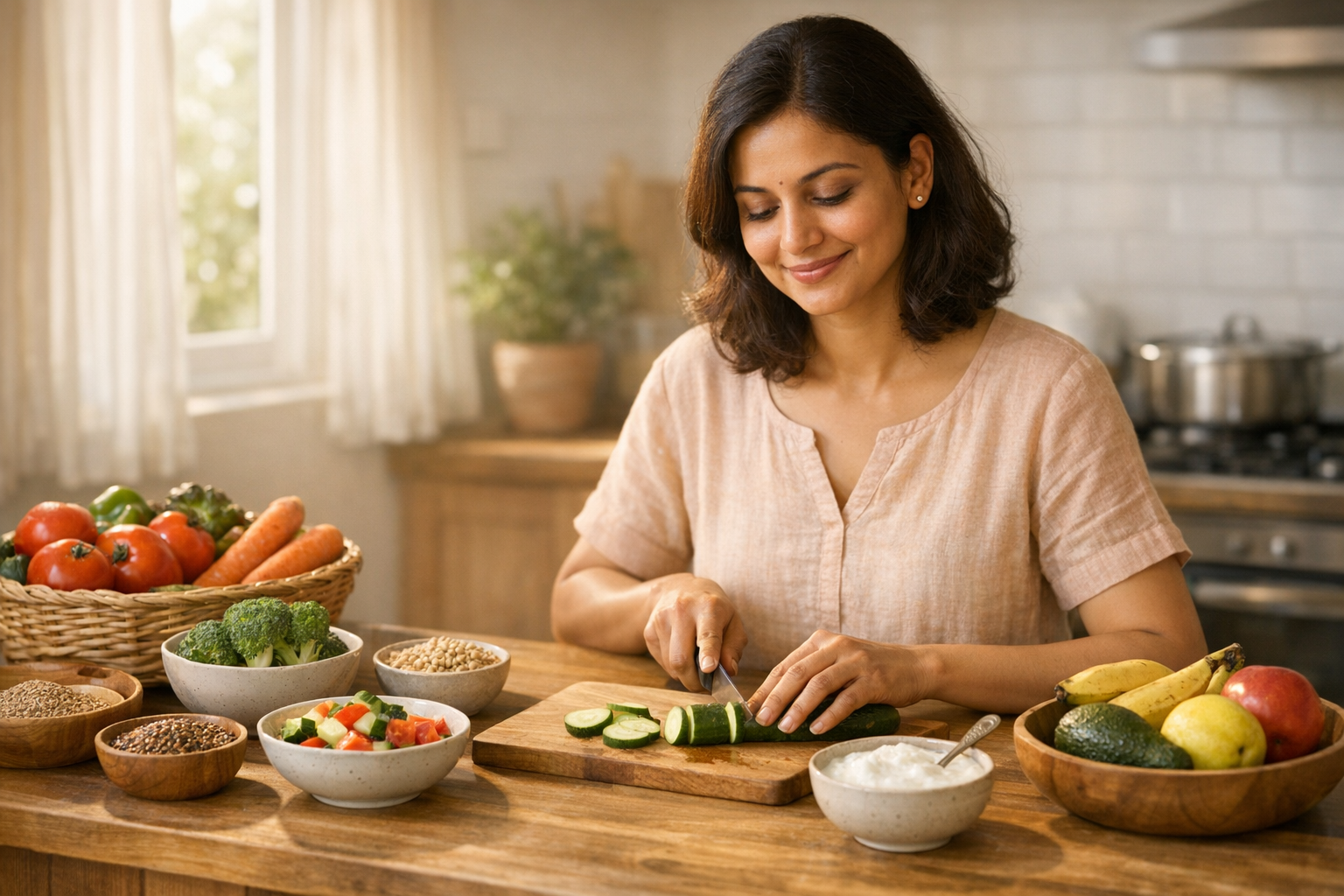
Food plays a central role in keeping the digestive tract active and healthy. In Indian households, small changes to traditional eating patterns can make a big difference.
Include More Fibre, Gradually
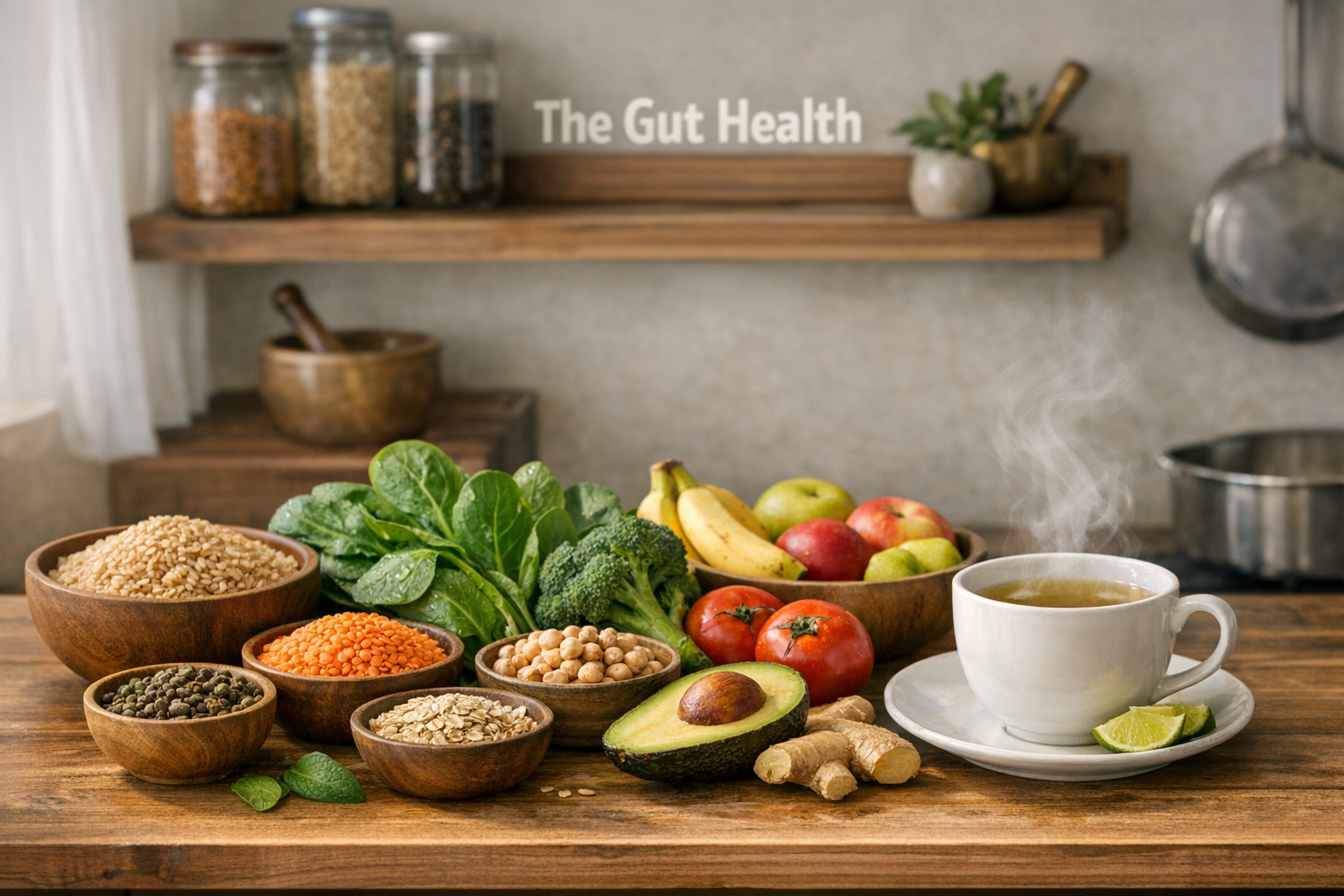
Fibre adds bulk to stool and helps it move through the intestines. Instead of increasing fibre suddenly, it is helpful to add it slowly and consistently.
- Whole grains such as dalia, millets, and whole wheat
- Fruits like papaya, guava, pear, and banana
- Vegetables such as spinach, beans, carrots, and bottle gourd
- Legumes and pulses commonly eaten in Indian meals
Stay Hydrated Throughout the Day
Water softens stool and helps fibre do its job. Many people drink large quantities at once, but sipping steadily through the day may be more supportive for digestion.
Add Fermented Foods
Traditional Indian fermented foods can support a healthier gut environment. Examples include:
- Curd
- Buttermilk
- Idli and dosa batter
- Homemade pickles (in moderation)
These foods may help maintain a smoother digestive rhythm over time.
Lifestyle Habits That Encourage Regular Bowel Movements
Along with food, daily routines also affect how well the gut functions. The digestive system relies on movement, rest, and stress balance.
Move Your Body Regularly
Regular physical activity may stimulate the natural muscular movement of the intestines. Even simple activities can help, such as:
- Walking for 20 to 30 minutes
- Light stretching or yoga
- Gentle breathing exercises
Create a Consistent Routine
The body responds well to consistency. Eating meals around the same time and setting aside a few relaxed minutes in the morning for bowel movements can help establish a pattern. Rushing or delaying the urge repeatedly may sometimes make constipation more likely.
Manage Stress in Small, Practical Ways
The gut and mind are closely connected. When stress levels rise, digestion may slow down. Simple routines like mindful breathing, reading, or disconnecting from screens before bedtime may help support a calmer gut environment.
How to Listen to Your Gut Better
Understanding your gut’s signals can make a meaningful difference. Every person has a unique digestive rhythm, and learning what works for your body is a gradual process.
Notice Patterns
Paying attention to how different foods, portions, or timings affect your digestion can help you make small but helpful adjustments. You may notice that certain foods leave you feeling lighter, while others slow things down.
Aim for Balanced Meals
Combining fibre-rich foods with protein, healthy fats, and adequate fluids creates meals that support steady digestion. A simple example is a plate with vegetables, dal, whole grains, and a portion of curd.
Be Patient With the Process
Changes in digestion often happen gradually. Consistency may matter more than dramatic changes. Supporting the gut regularly with better food, movement, and hydration can gently encourage improved bowel habits over time.
When Simple Changes May Not Feel Enough
If constipation persists despite lifestyle adjustments, it may help to seek guidance from a qualified healthcare professional for personalised support. Understanding underlying factors can provide clarity and reduce stress around digestive concerns.
At The Gut Health, we share insights to help you build a supportive relationship with your digestive system. You can explore more articles on gut-friendly habits at https://theguthealth.in/blog/ for deeper understanding.
Conclusion: Supporting Constipation and Gut Health Through Everyday Choices
Improving constipation and gut health begins with small, consistent steps. Eating more fibre-rich foods, staying well hydrated, maintaining a steady routine, and caring for mental wellbeing can all support smoother digestion. With a little patience and awareness, these habits can help create a more comfortable digestive experience.
Your gut plays a central role in how your body feels every day. Tuning into its signals and nurturing it gently can bring positive shifts over time.