
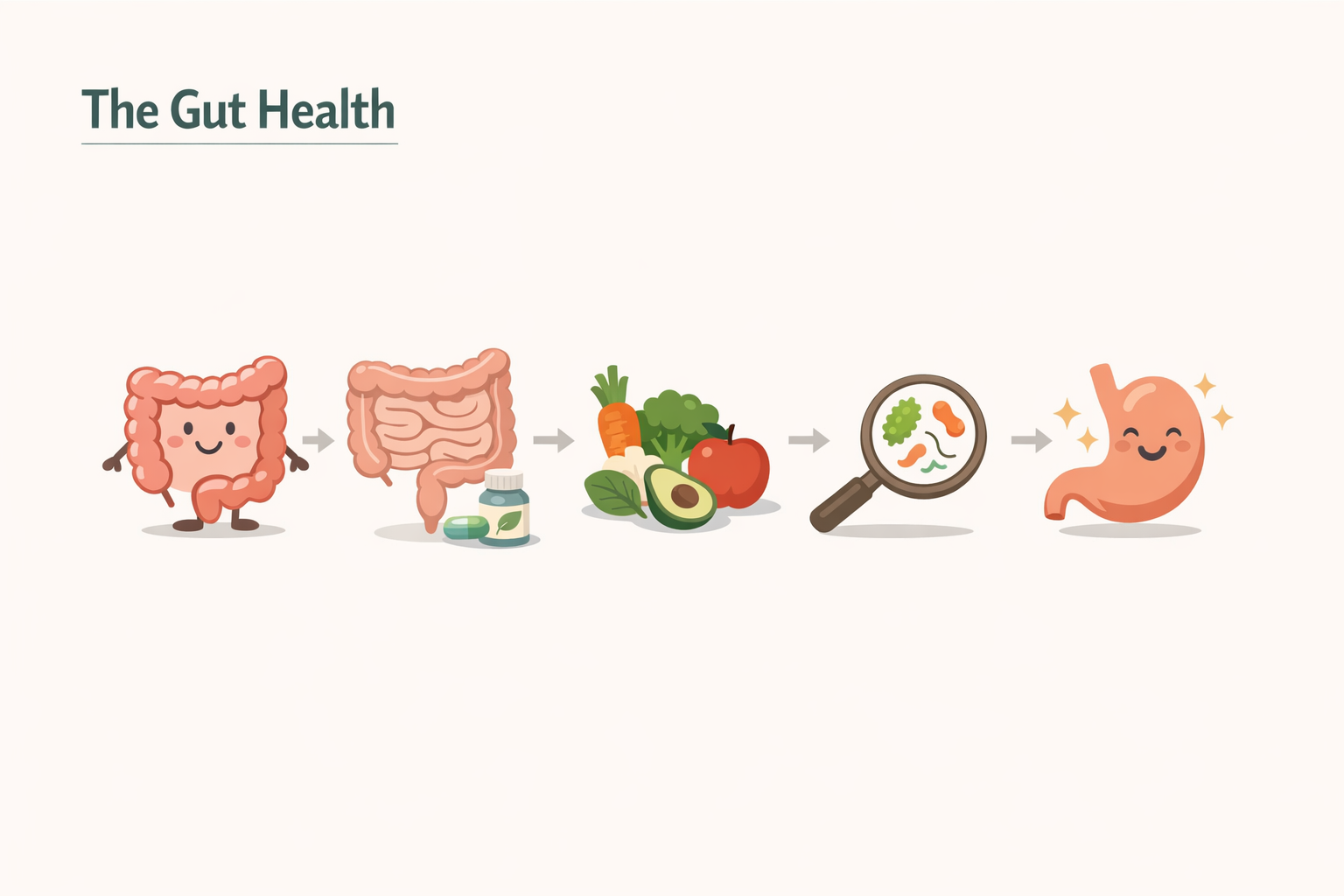
Essential Gut Health Questions You Need Answered
Gut health has become a major topic of interest in recent years, and for good reason. Our digestive system influences everything from energy levels to mood, immunity, and overall well-being. With so much information available, it is natural to have many gut health questions, especially if you are trying to understand what truly matters for your daily life.
This blog explores some of the most common and important questions people ask about gut health. The aim is to provide clear, simple, and practical explanations that help you feel more confident about understanding your own digestive wellness. For more gut-related insights, you can explore additional articles at theguthealth.in/blog/.
Why Is Gut Health So Important?
Your gut is more than just a place where food is digested. It is a complex ecosystem made up of organs, beneficial microbes, and chemical processes that work together to keep the body in balance.
The Gut’s Key Roles
- Digestion: Breaking down food into nutrients your body can use.
- Absorption: Allowing vitamins, minerals, fats, and proteins to enter the bloodstream.
- Immune support: Helping the body respond to external threats.
- Gut–brain communication: Sending signals that influence mood, appetite, and stress levels.
When the gut ecosystem is balanced, it tends to support overall well‑being. When it is disrupted, people often notice changes in energy, digestion, and general comfort.
Common Gut Health Questions Answered
1. What Are the Signs of an Unbalanced Gut?
An unbalanced gut may show up in many ways, and these vary from person to person. Some commonly noticed signs include:
- Feeling bloated after meals
- Irregular bowel habits
- Frequent discomfort in the stomach area
- Low energy or sluggishness
- Changes in appetite or food tolerance
These signs do not necessarily point to a specific problem on their own, but they can encourage you to pay closer attention to your daily habits.
2. How Does Diet Influence Gut Health?
Food is one of the strongest influences on gut balance. A diet rich in diverse, fiber-containing foods helps nourish beneficial microbes.
Some examples commonly found in Indian kitchens include:
- Vegetables like lau (bottle gourd), carrots, spinach, and beans
- Fruits such as guava, papaya, banana, and apples
- Whole grains like millets, brown rice, and whole wheat
- Fermented foods such as curd, idli, dosa, kanji, and pickles
- Pulses like moong dal, chana, and rajma
Diversity in food choices helps support diverse gut microbes, which in turn may promote digestive comfort.
3. Do Spices Affect Gut Health?
Indian cuisine uses a wide variety of spices, many of which can support digestive comfort. For instance, cumin, ginger, coriander, and fennel have traditionally been used to ease heaviness or post‑meal discomfort. Each person’s tolerance is different, so observing what works for your body is important.
4. Are Probiotics Helpful?
Probiotics are beneficial bacteria found in some foods and supplements. In everyday Indian diets, curd, buttermilk, fermented rice dishes, and homemade pickles often contain natural probiotics. These foods can be enjoyable additions to meals, though the effects vary for each individual.
5. Does Stress Affect Gut Health?
The gut and brain communicate through what is often called the gut–brain connection. This means mental stress may influence digestion, and digestive discomfort can sometimes influence mood. Simple daily practices like deep breathing, light movement, reading, or spending a few minutes outdoors can bring moments of calm that support overall well‑being.
6. How Important Is Hydration?
Water plays a supportive role in digestion. It helps with moving food through the digestive tract and maintaining general comfort. Herbal teas, soups, and coconut water can also contribute to daily hydration.
7. Can Exercise Help the Gut?
Regular movement can support digestion by helping food move smoothly through the system. Activities like walking, yoga, stretching, or gentle strength training are accessible for most people and can be done at a comfortable pace.
How Can You Support Everyday Gut Health?
Small lifestyle choices often contribute more to gut comfort than drastic changes. Here are a few simple habits that fit easily into most routines:
- Eat slowly: Chewing thoroughly helps the digestive process.
- Maintain meal timings: Regularity helps the body establish rhythm.
- Add fiber gradually: Sudden fiber increase may cause discomfort.
- Stay hydrated: Aim to drink water throughout the day.
- Include fermented foods: Traditional options add variety to meals.
- Move daily: Even a 20‑minute walk can support gut comfort.
You can explore more practical tips and insights on digestive wellness at theguthealth.in.
When Should You Pay Extra Attention to Your Gut?
If you frequently feel discomfort after meals or notice ongoing changes in digestion or energy, it may be helpful to observe your daily habits more closely. Keeping a simple food and mood journal for a week can offer insight into patterns. This is not for diagnosis but for personal awareness.
What to Track
- Meals and snacks
- Hydration
- Sleep duration and quality
- Stress levels
- Physical activity
- Any digestive sensations you notice
Often, small patterns become clear when written down.
Conclusion
Gut health is a journey of understanding your body, your food choices, and your daily habits. By exploring common gut health questions, you can start noticing what supports your comfort and overall well‑being. The goal is not perfection but awareness and balance.
If you stay curious, make gradual changes, and observe how your body responds, you will naturally move toward better digestive wellness. For more simple, science‑backed insights, you can visit theguthealth.in/blog/.