
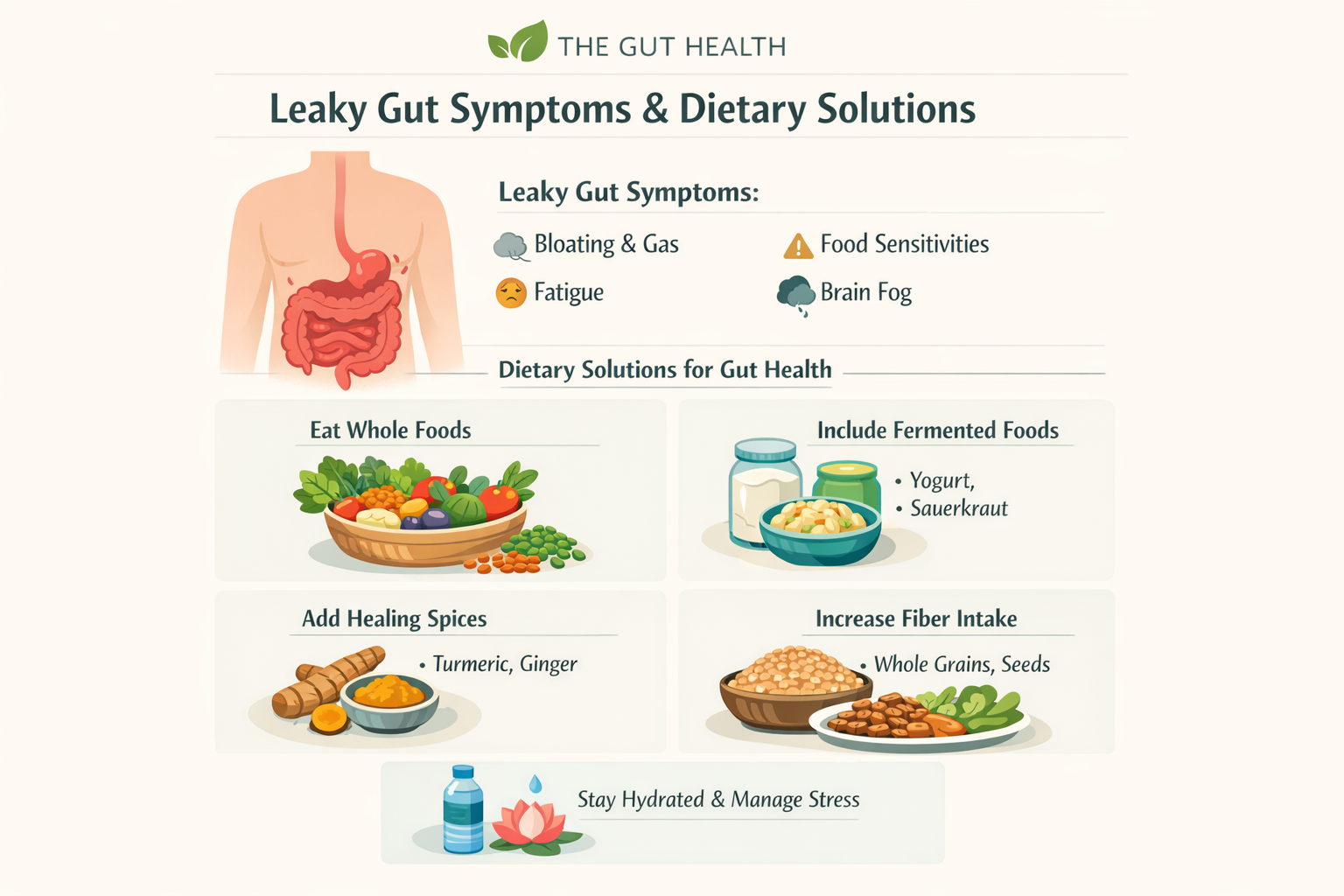
Understanding Leaky Gut Symptoms and Dietary Solutions
The digestive system plays a central role in overall well-being, yet many people experience discomfort without understanding what might be happening inside their gut. Among the concerns that often come up is the idea of a “leaky gut,” a term used to describe changes in the gut lining that may affect how the digestive system functions. While the topic is still being studied, many individuals report certain patterns of symptoms that seem connected to their gut health. In this article, we will explore common leaky gut symptoms, why they may occur, and how simple dietary choices may support better digestive wellness.
This guide is written for readers of The Gut Health community and those who follow resources on platforms like theguthealth.in/blog/. The aim is to keep the information practical, balanced, and easy to apply in daily life.
What Is Commonly Referred to as Leaky Gut?
The gut lining acts as a barrier that helps absorb nutrients while preventing larger particles from passing into the bloodstream. When this barrier does not function as efficiently, it may contribute to digestive discomfort or other changes in how the body feels. Although the term “leaky gut” is not a medical diagnosis, many people use it to describe a cluster of symptoms linked to gut imbalance, inflammation, or lifestyle factors.
Common Leaky Gut Symptoms People Often Notice
Because the gut interacts with different systems in the body, symptoms may vary. Some people may experience only one or two, while others notice several changes over time.
Digestive-Related Symptoms
- Frequent bloating or gas after meals
- Irregular bowel movements, such as loose stool or constipation
- Discomfort in the abdomen
- A feeling of heaviness even after light meals
Skin and Energy-Related Concerns
- Changes in skin patterns, such as dryness or breakouts
- Low energy levels or a feeling of fatigue
- Trouble concentrating or feeling mentally foggy
Other Possible Signs People Associate with Gut Imbalance
- Increased sensitivity to certain foods
- General discomfort after eating foods that were previously tolerated
- Changes in mood or stress levels
These symptoms can also occur for various other reasons, which is why it is helpful to observe patterns and make supportive lifestyle changes rather than jump to conclusions.
Why Do These Symptoms Happen?
There are several possible contributors that may influence gut balance and digestive comfort.
Stress and Lifestyle Factors
Prolonged stress may affect digestion, appetite, and how the gut moves and absorbs nutrients. Many people notice their digestive symptoms get stronger during stressful periods.
Highly Processed Diets
Consuming frequent refined sugars, fried foods, packaged snacks, or excess caffeine might affect gut functioning for some individuals. These foods may not support the beneficial bacteria in the gut.
Low Fiber Intake
Fiber is important for supporting regular digestion and feeding the good bacteria in the intestines. Many Indian diets vary widely, and some modern patterns—especially fast food or office-meal lifestyles—may be low in natural fiber.
Gut Microbiome Imbalance
The community of bacteria in the gut can shift due to lifestyle, stress, environment, medications, or diet. Some people notice symptoms when this balance changes.
Dietary Choices That May Support Gut Health
Food plays a significant role in how the gut feels. While diet alone cannot promise to eliminate symptoms, certain choices may help support digestive wellness in a gentle, sustainable way.
Increase Fiber Slowly and Consistently
Fiber helps bowel movements stay regular and supports the gut microbiome. Instead of making sudden changes, increase fiber gradually to avoid discomfort.
- Whole grains such as brown rice, millets, oats
- Fruits like apples, bananas, papaya, and berries when available
- Vegetables like carrots, lauki, spinach, and beans
- Pulses and legumes common in Indian households
Include Naturally Fermented Foods
Traditional Indian diets already include many fermented foods that may support the gut environment.
- Homemade curd
- Idli, dosa batter, or dhokla
- Fermented pickles in moderation
- Kanji or other regional ferments
Choose Anti-Inflammatory Ingredients
Certain herbs and foods used daily in Indian kitchens may support gut comfort.
- Turmeric in dal, sabzi, or milk
- Ginger in tea or cooking
- Cumin and ajwain for digestive ease
- Warm water with lemon in the morning
Stay Hydrated
Water supports digestion and nutrient absorption. Herbal teas or infused water can also help maintain hydration throughout the day.
Limit Foods That May Trigger Discomfort
Every individual is different, but some foods may cause discomfort when the gut is sensitive. Observing personal triggers is more practical than avoiding entire categories unnecessarily.
- Excess caffeine
- Fried or oily foods
- Overly spicy meals
- High-sugar snacks and drinks
Lifestyle Habits to Support Gut Wellness
Manage Stress Gently
Simple practices can help reduce stress-related digestive discomfort.
- Deep breathing exercises
- Short walks in fresh air
- Yoga or gentle stretching
- Mindful eating without distractions
Prioritise Sleep
Sleep allows the digestive system to reset. Aim for consistent sleep timings and a calming bedtime routine.
Move Your Body Daily
Regular movement, even light activity, can improve digestion and support overall energy.
When to Seek Guidance
If symptoms persist or disrupt daily life, it can be helpful to reach out to a qualified health professional who understands digestive concerns. They can help assess what might be contributing to the discomfort and suggest personalised guidance.
Conclusion
Understanding leaky gut symptoms can offer helpful insight into how the body responds to everyday habits, food choices, and stress. While the term itself is still being researched, many people find that supporting their gut health through simple dietary and lifestyle practices leads to greater comfort and balance. Choosing fibre-rich foods, fermented staples, mindful eating, hydration, and stress management are small steps that often make a meaningful difference.
For more gut-friendly guidance and resources, readers can explore articles on platforms like https://theguthealth.in. With the right information and gentle adjustments, it is possible to support a healthier, calmer digestive system over time.