
Boost Gut Health Naturally Through Regular Exercise
Many people think of exercise only in terms of weight loss, strength, or overall fitness. But growing research shows that movement plays a meaningful role in supporting gut health as well. The connection between exercise and gut health is becoming an important topic, especially for anyone trying to improve digestion, reduce discomfort, or build long-term wellness.
Gut health is influenced by a combination of lifestyle habits, and exercise is one of the simplest and most natural ways to support it. At The Gut Health, our goal is to make these concepts easy to understand so you can make informed choices that feel right for your body and daily routine. For more calm, science-backed insights, you can explore resources at theguthealth.in anytime.
How Exercise Influences the Gut
The gut is a complex system made up of trillions of microorganisms that support digestion, metabolism, immunity, and even mood. Movement affects these functions in gentle but meaningful ways. Regular activity may help the gut work more smoothly, support microbial diversity, and create conditions that feel comfortable for everyday digestion.
Movement Supports the Flow of Digestion
When you move your body, your digestive system also experiences improved circulation and natural rhythm. This can help food move through the gut in a steady way and support a sense of lightness. Even something as simple as a daily walk can make a noticeable difference for many people.
Exercise May Support a Balanced Gut Microbiome
A diverse gut microbiome is often linked with better digestive comfort and overall well-being. Regular movement may help create conditions that support microbial balance. This does not require intense workouts; in many cases, moderate activities like brisk walking, yoga, or cycling are enough to offer gentle support.
Reduces Everyday Stress
The mind-gut connection is real, and stress is one of the most common triggers for digestive discomfort. Exercise is a proven way to calm the mind, which may help the gut feel more at ease. Activities like yoga, slow breathing, dance, or even gardening can be particularly helpful for reducing daily tension.
Types of Exercise That Support Gut Health
You do not need to follow a strict fitness plan to experience the benefits of movement. The key is finding activities you enjoy and can sustain. Here are some options that fit well within an Indian lifestyle and living space.
1. Walking: A Simple, Everyday Habit
Walking is one of the easiest ways to support your gut. It increases circulation, supports digestion, and gently stimulates the body. Many people find that a walk after meals helps them feel lighter and more comfortable.
- 15–30 minutes daily is enough to feel a difference
- Even indoor walking or terrace walking works well
2. Yoga and Stretching
Yoga is deeply rooted in Indian culture and has long been associated with digestive wellness. Many poses encourage relaxation and gentle compression of the abdomen, which supports digestive flow.
- Cat-cow stretches
- Child’s pose
- Seated twists
- Bridge pose
These movements can be done at home without equipment and do not require advanced skill.
3. Strength Training
Strength training supports the body’s metabolic processes and helps build strong core muscles, which may contribute to better posture and abdominal support. This indirectly benefits the gut by promoting overall physical balance.
- Bodyweight exercises like squats, lunges, and planks
- Resistance bands for beginners
- Light dumbbells if available
4. Cycling and Light Cardio
Activities that increase heart rate in a controlled way may support microbiome balance and digestive comfort. If outdoor cycling is not accessible, indoor stationary cycling is equally effective.
Simple Ways to Stay Consistent
The most important part of using movement to support gut health is consistency. Even small efforts add up when done regularly.
- Start with 10 minutes and gradually increase.
- Choose activities that feel enjoyable, not exhausting.
- Create a routine that fits your lifestyle, such as morning yoga or an evening stroll.
- Use reminders, music, or workout partners to stay motivated.
How Exercise Fits Into a Gut-Friendly Lifestyle
Movement works best when combined with simple, everyday habits. These small shifts support your digestive system in a more holistic way.
Balanced Meals
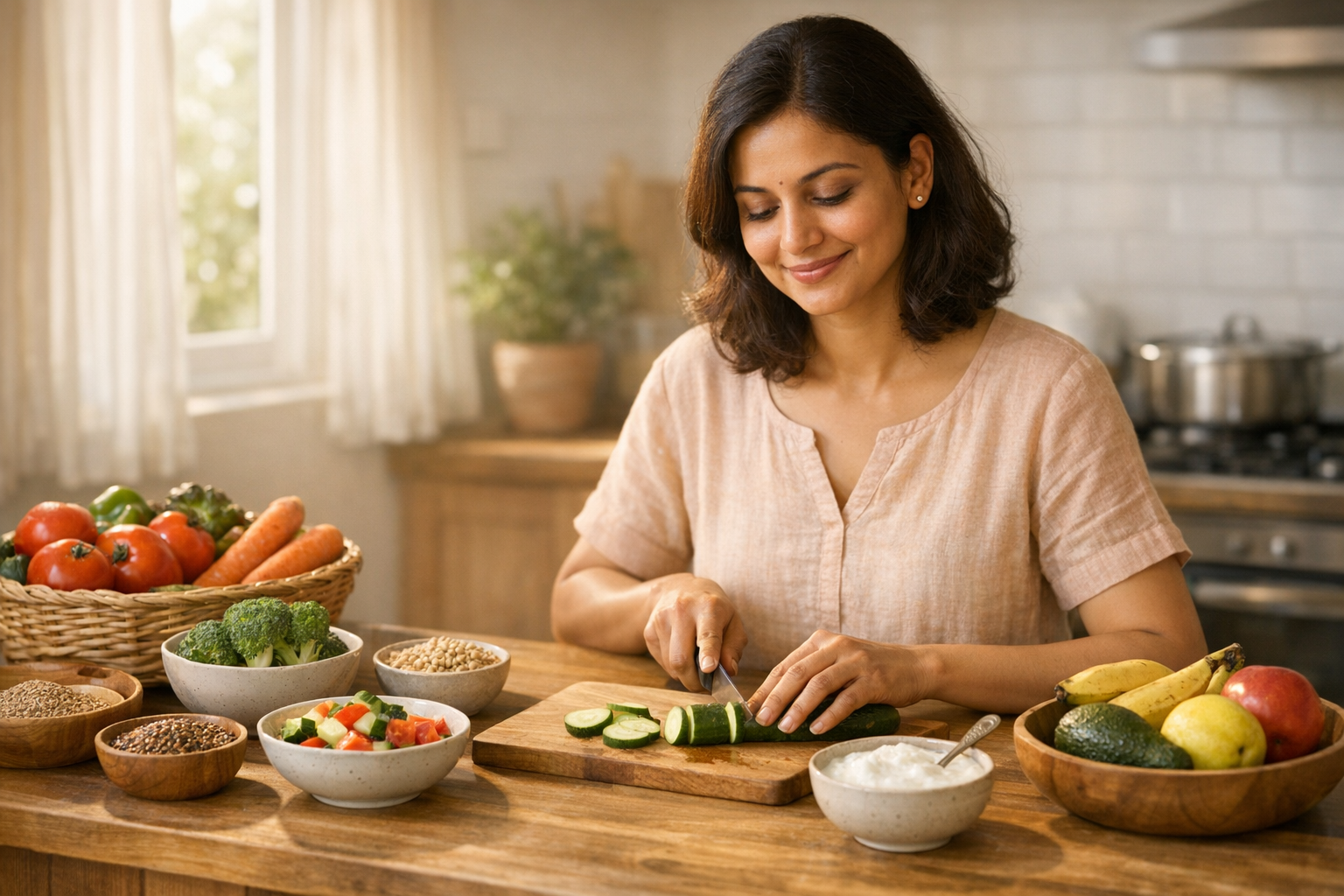
Traditional Indian meals often include gut-supporting foods like curd, buttermilk, fermented dosa batter, vegetables, and lentils. Pairing these with regular exercise creates a well-rounded routine for digestive comfort.
Hydration Matters
Drinking enough water throughout the day supports digestion and complements the benefits of movement. Warm water, herbal teas, and coconut water are gentle options.
Sleep and Rest
The gut repairs itself during sleep. A combination of movement, nourishing meals, and good rest helps the body maintain digestive balance naturally.
Bringing It All Together
Understanding the connection between exercise and gut health can help you make mindful choices about your daily habits. Regular movement does not require a gym membership or complicated routines. Simple activities like walking, yoga, cycling, or light strength training can all support a calmer and more balanced gut.
Each small step you take—whether it is a stretch, a walk, or a mindful breathing break—contributes to overall digestive wellness. If you’re interested in learning more about gut-friendly habits, you can explore thoughtful articles at https://theguthealth.in/blog/.
With patience and consistency, movement becomes more than just exercise; it becomes a steady companion in your journey toward better gut health.