
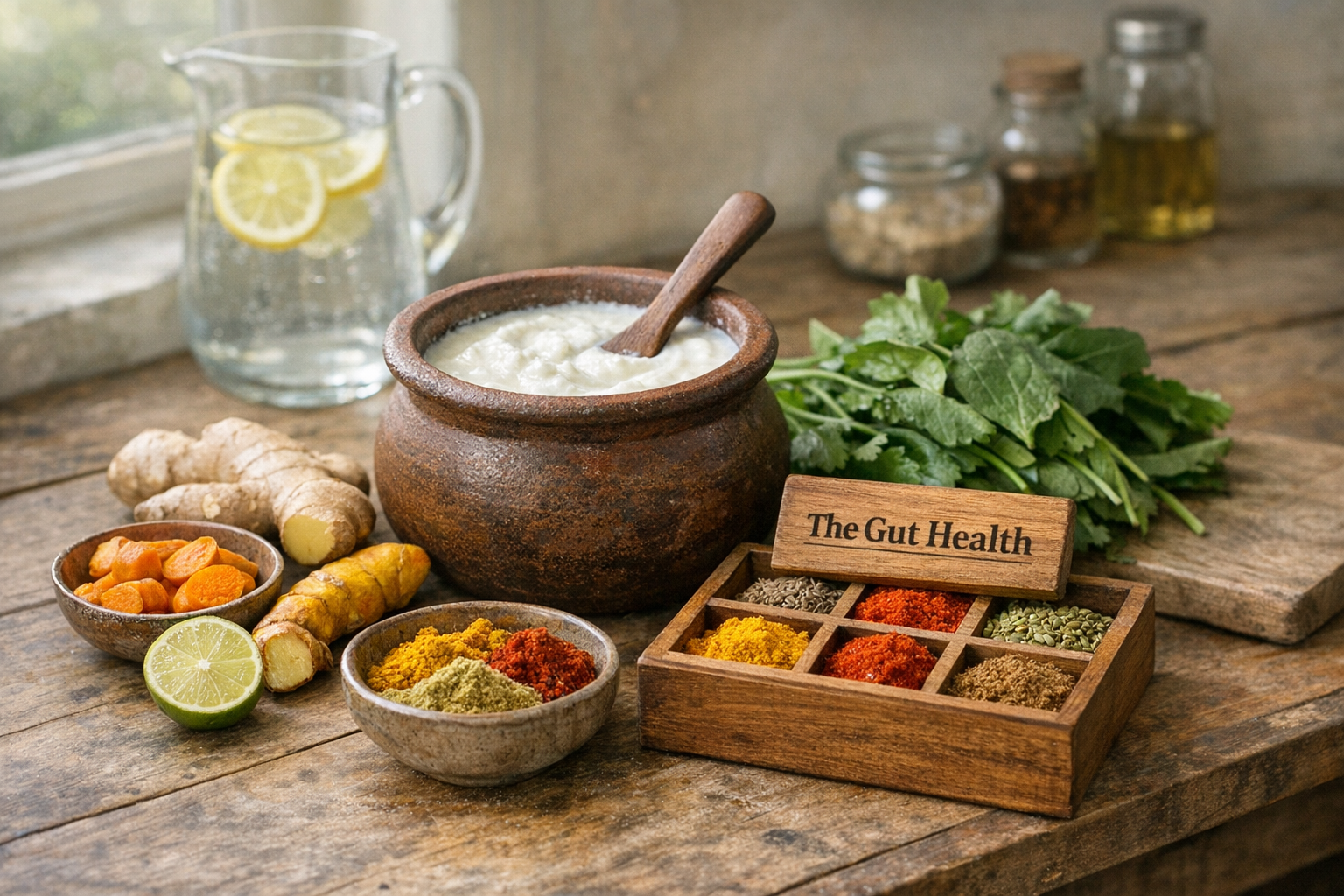
Debunking Common Gut Health Myths You Believe
Gut health has become a popular topic, and for good reason. A healthy digestive system supports overall well-being, energy levels, and daily comfort. But with so much information floating around online, it’s easy to fall for myths that sound convincing but aren’t backed by science. Many of these gut health myths can cause unnecessary worry or lead people to make choices that don’t truly support their digestive wellness.
This article from The Gut Health aims to simplify the confusion and help you understand what really matters. Whether you’ve heard something from a friend, on social media, or through family traditions, let’s look at what is true and what needs rethinking.
Myth 1: “A healthy gut means no bloating at all”
Bloating is one of the most misunderstood digestive sensations. Many people assume that any bloating means poor gut health, but that’s not necessarily accurate.
Why occasional bloating is normal
- It can happen after a large meal.
- Some foods naturally produce more gas during digestion, like beans, dals, broccoli, cabbage, and millets.
- Women may experience bloating due to hormonal changes.
While persistent, painful, or frequent bloating may need attention, mild or occasional bloating is simply part of how the digestive system works.
Myth 2: “Probiotics alone can solve all gut problems”
Probiotics have gained huge popularity, and while they can support digestive balance, they are not a one-size-fits-all solution. Gut health is influenced by a combination of factors, and probiotics are just one part of the larger picture.
What probiotics can and cannot do
- They may help support the growth of beneficial bacteria.
- Their benefit depends on the strain, source, and individual digestive environment.
- They cannot undo the effects of poor sleep, high stress, or a low-fibre diet.
Simple everyday habits such as eating diverse plant-based foods, staying hydrated, and managing stress play an equally important role in supporting the gut ecosystem.
Myth 3: “Cutting out entire food groups is the key to better gut health”
Elimination diets have become very trendy. Many people stop eating dairy, gluten, wheat, or carbs without understanding whether these foods were actually causing discomfort. While some individuals may have sensitivities, removing whole food groups without guidance can reduce nutrient diversity.
Why variety matters
- The gut flourishes with a diverse range of fibres and nutrients.
- Removing foods unnecessarily can reduce beneficial bacteria growth.
- Traditional Indian meals like rice with dal, idli with sambar, or roti with sabzi naturally offer balanced nutrition.
If certain foods consistently bother you, keeping a simple food diary can help identify patterns. This approach is often more helpful than cutting out foods based on assumptions.
Myth 4: “If it’s natural or homemade, it must be good for your gut”
Indian households love natural remedies, and many of them can be supportive. But not every homemade drink, kadha, or herbal mixture works for everyone. Some ingredients, when consumed excessively, may cause discomfort.
Examples of commonly misunderstood remedies
- Excessive ginger water may irritate some people’s stomachs.
- Too much ajwain can be drying or cause discomfort in some individuals.
- Fermented foods like pickles or kanji may not suit every digestive system.
Natural does not always mean universally beneficial. Listening to your body is more reliable than following generalised remedies.
Myth 5: “You must have a bowel movement every day to be healthy”
Regular bowel movements are important, but “regular” looks different for each person. Some people feel comfortable going once a day, while others naturally go every alternate day.
What really matters
- You feel comfortable and not strained.
- Your stool has a soft, easy-to-pass consistency.
- You’re not experiencing unusual pain or persistent discomfort.
Instead of counting the number of times you go to the toilet, focus on how your body feels overall.
Myth 6: “Gut health can improve only through supplements”
Supplements are easily accessible today, from fibre powders to digestive tablets. They can be helpful in certain scenarios, but they are not the only way to support gut health.
Daily habits that matter more than supplements
- Eating a mix of fruits, whole grains, pulses, nuts, and seeds.
- Staying hydrated throughout the day.
- Including fermented foods only if they suit you.
- Managing stress with gentle practices like walking, breathing exercises, or yoga.
Supplements are optional tools, not essential requirements for everyone.
Myth 7: “Gut issues always mean something is seriously wrong”
It’s natural to feel concerned when you experience digestive discomfort, but not every symptom indicates a major problem. Our gut reacts to daily factors like sleep, stress, travel, late meals, or even spicy food.
Common everyday triggers
- Late-night dinners
- Eating too quickly
- Long gaps between meals
- Low water intake
- Stressful workdays
Small lifestyle adjustments can often make a noticeable difference. Observing your habits and patterns is a gentle, effective starting point.
How to Navigate Gut Health Information Wisely
With so many opinions around, it helps to follow simple principles when learning about your gut.
- Look for information that is balanced, not extreme.
- Notice what works for your body instead of comparing with others.
- Stay curious but cautious about trends.
- Use sources that provide calm, science-backed explanations, such as articles on theguthealth.in/blog/.
Conclusion: Clearing Gut Health Myths for a Better Understanding
Gut health is unique to each person, and understanding it becomes easier when common misconceptions are put to rest. By separating facts from popular gut health myths, you can make more informed, confident choices about your daily food and lifestyle habits.
A gentle, consistent approach is far more effective than dramatic changes or trending ideas. When you listen to your body, stay aware of what suits you, and follow balanced guidance from reliable sources like https://theguthealth.in, you create a supportive environment for your digestive system to function comfortably.
Small steps, simple habits, and clarity—not confusion—are what truly help you feel your best.