Nourishing Gut Health After Antibiotics: Essential Foods to Eat
Many people are surprised to find that their digestion feels different after completing a course of antibiotics. While antibiotics play an important role in managing bacterial infections, they can also affect the balance of the gut microbiome. This delicate community of bacteria supports digestion, immunity, and overall wellbeing. Supporting gut health after antibiotics becomes especially important during recovery.
This guide explores gentle, nourishing foods that can help restore balance in a natural, food-first way. The suggestions below are simple, practical, and suited to Indian eating habits. You can find more gut-supportive articles on platforms like theguthealth.in/blog/ if you’d like to keep learning.
Understanding Gut Health After Antibiotics
Antibiotics work by reducing harmful bacteria, but they may also reduce some of the beneficial bacteria in the gut. This temporary shift can influence digestion, bowel movements, and overall comfort. Rebuilding the gut microbiome is not about strict diets or drastic changes. Instead, it is usually supported through regular, balanced meals and diverse foods rich in fibres and natural probiotics.
Each person’s experience is different, so it helps to focus on foods that feel gentle, nourishing, and easy to digest.
Best Foods to Support Gut Health After Antibiotics
These food groups encourage a balanced gut environment and help your digestive system feel supported during recovery.
1. Fermented Foods for Natural Probiotics
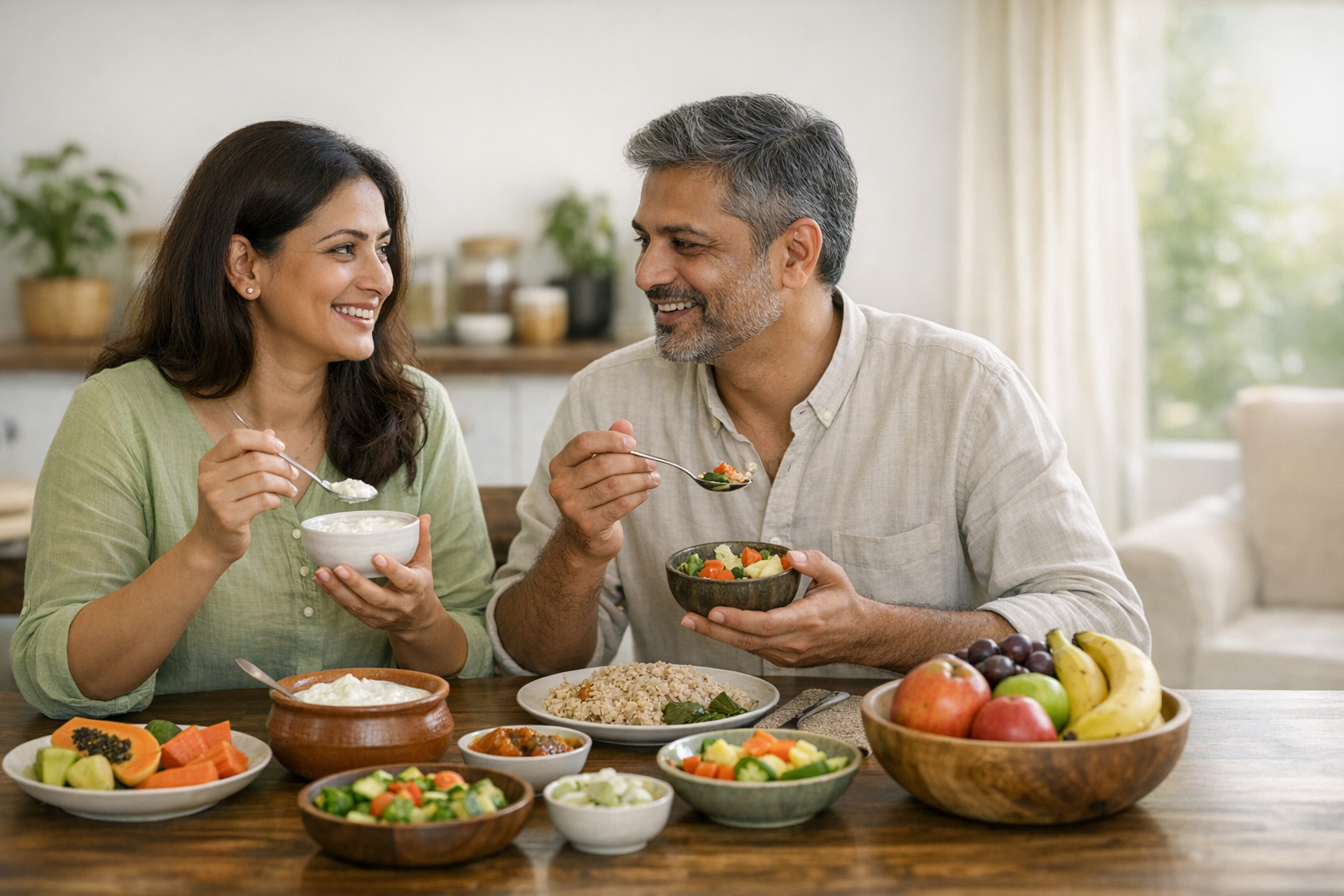
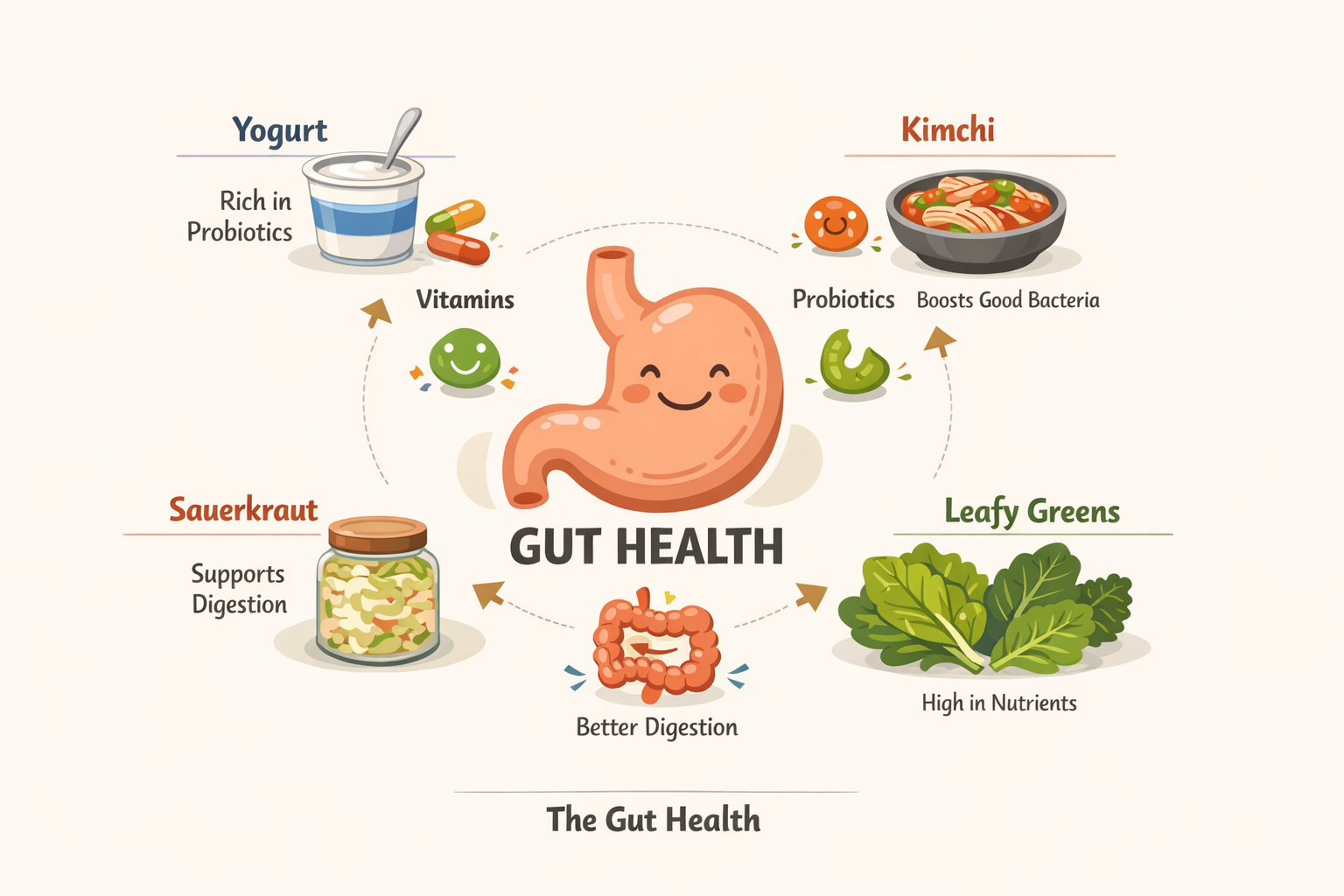
Fermented foods naturally contain beneficial bacteria that can help replenish the gut’s microbial diversity. They are also familiar in many Indian households.
- Curd or homemade dahi: A simple and comforting source of live cultures.
- Buttermilk (chaas): Light and hydrating, especially during warm months.
- Idli and dosa batter: The fermentation process enhances their gut-friendly properties.
- Pickles (in moderation): Traditional Indian pickles contain natural fermentation, though the salt and spices may not suit everyone.
Start with small amounts and increase gradually if they feel comfortable.
2. Fibre-Rich Foods That Feed Good Bacteria
Fibre serves as nourishment for beneficial gut microbes, helping them grow and thrive. Choose a mix of soluble and insoluble fibre from whole, plant-based sources.
- Fruits like bananas, apples, papaya, and pears.
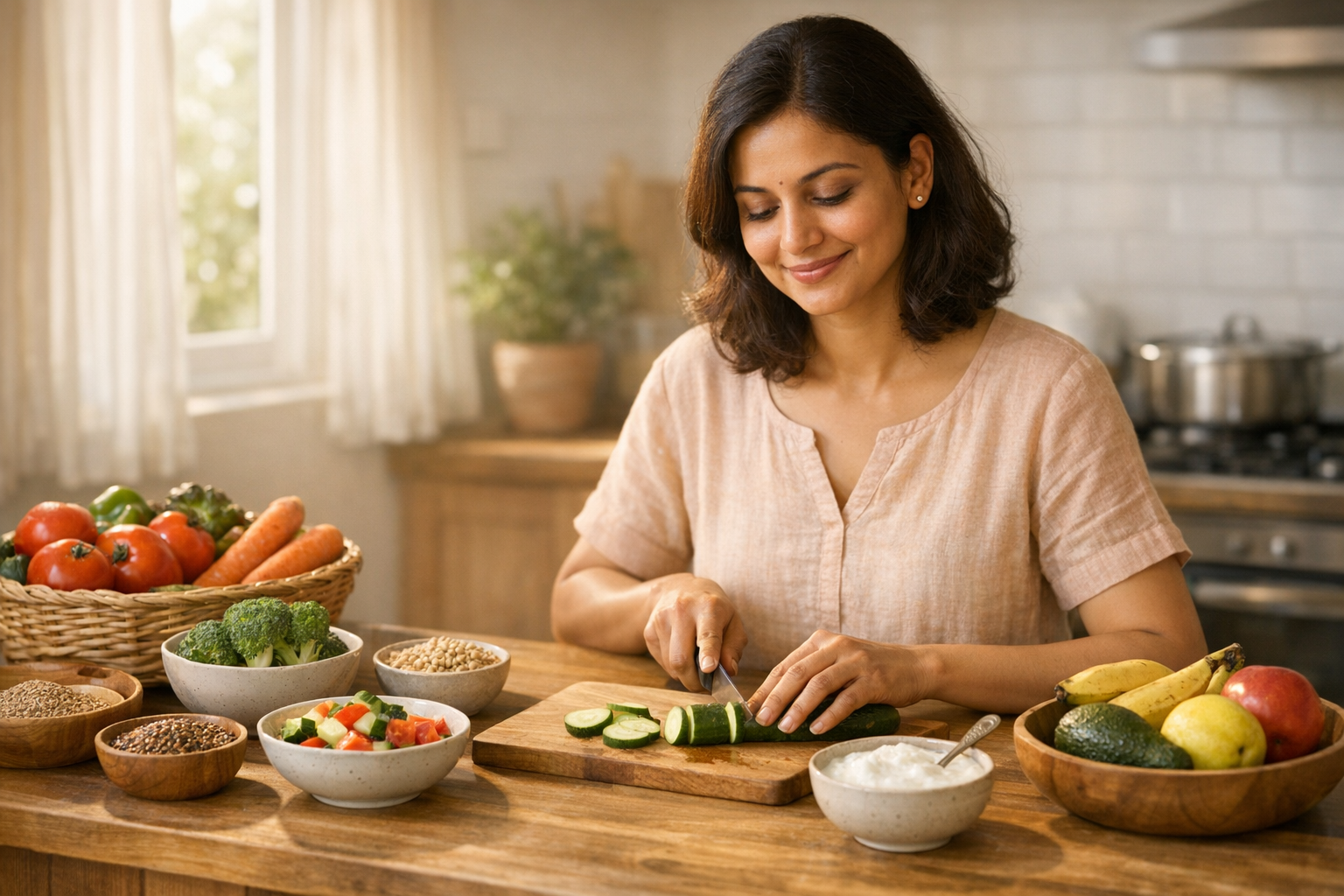
- Vegetables such as carrots, beetroot, bottle gourd, and leafy greens.
- Whole grains like oats, brown rice, and millets (ragi, jowar, bajra).
- Legumes and pulses, including moong dal, masoor dal, and chana.
If your digestion feels sensitive, start with cooked vegetables and well-soaked or lightly spiced dals.
3. Prebiotic Foods That Support Microbial Growth
Prebiotics are specific types of fibre that help beneficial bacteria flourish. They are easy to incorporate into everyday meals.
- Garlic and onions, commonly used in Indian cooking.
- Bananas, especially slightly ripe ones.
- Whole grains like barley and oats.
- Flaxseeds and chia seeds for additional fibre.
4. Hydrating Foods and Fluids
Hydration supports digestion and overall comfort, especially when bowel movements feel irregular.
- Warm water through the day to ease digestion.
- Coconut water for natural electrolytes.
- Soups made from vegetables or dal.
- Stews and khichdi for gentle nourishment.
5. Gentle, Easily Digestible Meals
During recovery, the digestive system may benefit from simpler meals. Home-cooked foods tend to feel the most soothing.
- Khichdi made with rice and moong dal.
- Steamed vegetables with mild spices.
- Soft chapatis with a small amount of ghee.
- Poha or upma with vegetables.
Including a small amount of healthy fat from ghee, coconut, or nuts can also support digestion without overwhelming the system.
Foods to Approach Mindfully
Some foods may feel heavier or harder to digest while your gut is rebalancing. This varies from person to person, but common examples include:
- Deep-fried snacks
- Very spicy or oily curries
- Ultra-processed packaged foods
- Sugary desserts
- Large amounts of caffeine
Instead of eliminating these foods entirely, observe how your body responds and choose what feels supportive.
Lifestyle Habits That Complement Gut-Nourishing Foods
1. Eating Slowly and Mindfully
Chewing well and eating without rushing helps your digestive system work more effectively. Even simple adjustments like sitting down to eat or avoiding distractions can make a difference.
2. Maintaining a Regular Eating Rhythm
Consistent meal times support gut comfort. Long gaps or irregular eating patterns may cause bloating or discomfort for some people.
3. Gentle Movement
Light activities such as walking, stretching, or yoga can promote better digestion and overall wellbeing.
4. Adequate Rest
Sleep plays a key role in supporting the gut and immune system. A relaxed evening routine and consistent sleep schedule are helpful foundations.
When to Seek Guidance
If you notice persistent digestive changes that feel uncomfortable or unusual, consider reaching out to a healthcare professional. They can help assess your situation and provide personalised guidance based on your needs.
Conclusion
Rebuilding gut health after antibiotics is a gentle, gradual process. Nourishing foods like fermented foods, fibre-rich vegetables, fruits, whole grains, and simple home-cooked meals can support the microbiome as it returns to balance. Hydration, mindful eating, and simple lifestyle habits also play a meaningful role. If you’d like to explore more about digestive wellbeing, you can continue learning through resources on theguthealth.in.
With time, consistency, and supportive choices, your gut can find its natural rhythm again.